What is "Headless CMS" and Who Needs It? As a digital enthusiast, you've likely come across the term "Headless CMS" thrown around in conversations about content management systems. But what exactly is it, and who needs it? In this comprehensive guide, we'll dive into the world of headless CMS, exploring its definition, benefits, and who …

What is “Headless CMS” and Who Needs It?
As a digital enthusiast, you’ve likely come across the term “Headless CMS” thrown around in conversations about content management systems. But what exactly is it, and who needs it? In this comprehensive guide, we’ll dive into the world of headless CMS, exploring its definition, benefits, and who can benefit from using it.
What is a Headless CMS?
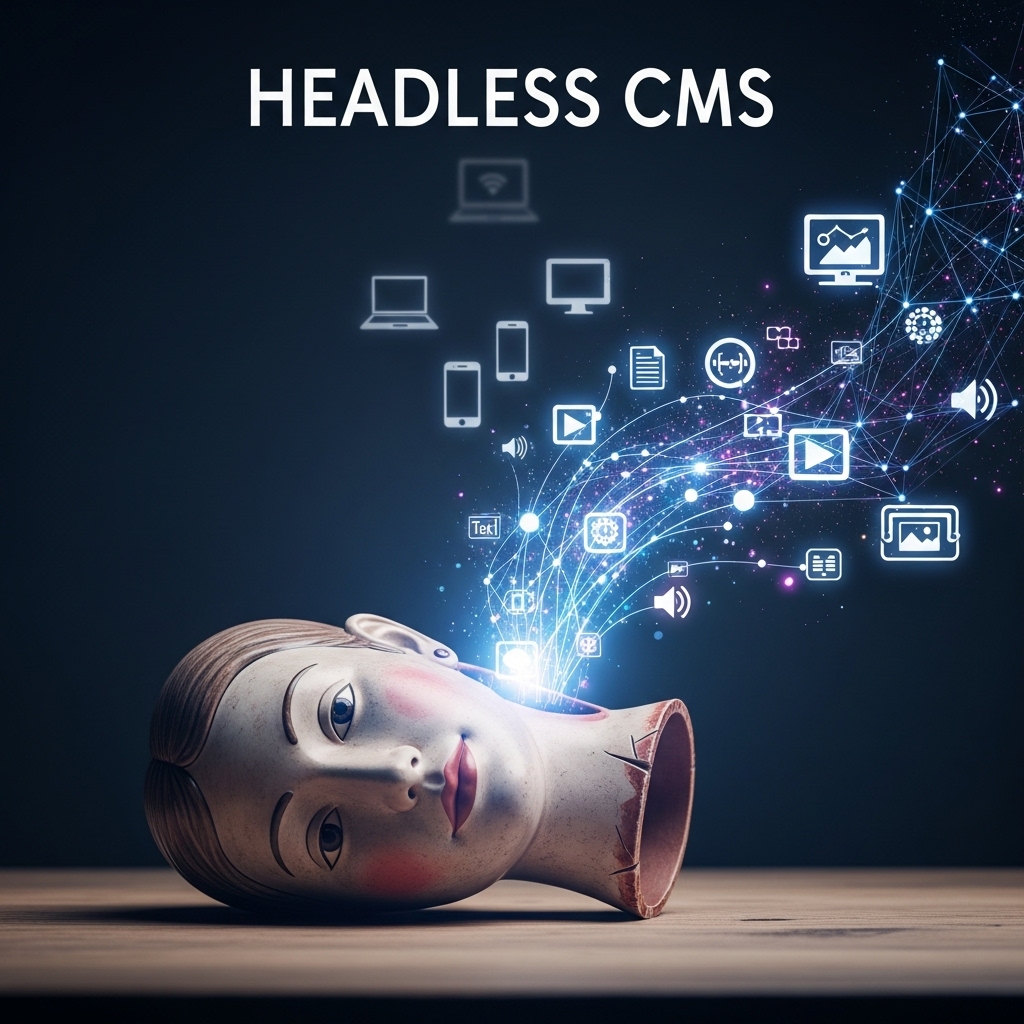
A Headless CMS is a content management system that allows you to manage and store content without a traditional, graphical user interface (GUI). Unlike traditional CMS solutions like WordPress or Drupal, a headless CMS doesn’t provide a pre-built frontend or website builder. Instead, it focuses on providing a robust backend infrastructure for managing and delivering content to various platforms and devices.
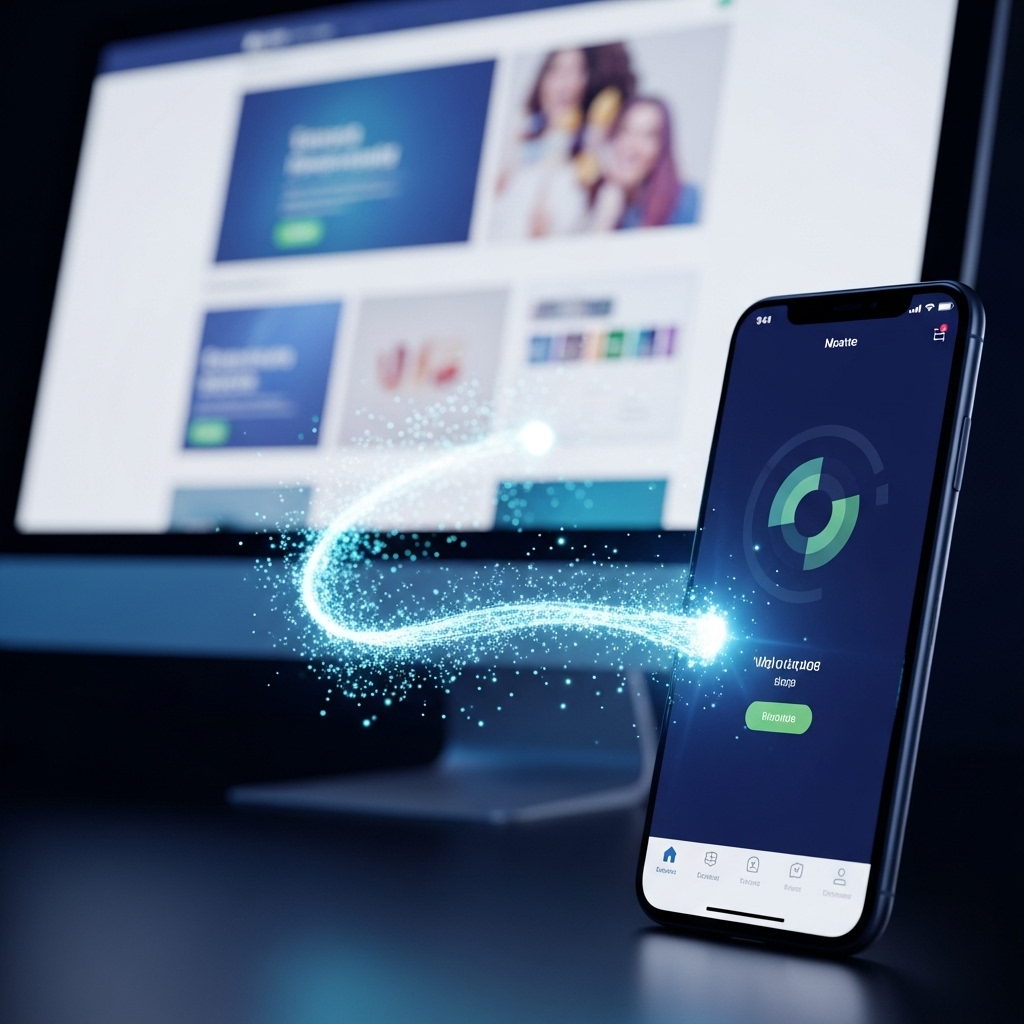
Think of a headless CMS as a content hub that can power multiple applications, platforms, and devices, such as:
- Mobile apps
- Web applications
- IoT devices
- Voice assistants
- Digital signage
- And more!
- Flexibility: A headless CMS provides unparalleled flexibility, allowing you to use the same content management system across multiple platforms and devices.
- Scalability: Headless CMS solutions are designed to scale efficiently, making them ideal for large-scale, complex content management projects.
- Customization: With a headless CMS, you have complete control over the content delivery and presentation, allowing for seamless integration with your existing applications and platforms.
- Cost-Effective: By eliminating the need for a traditional GUI, headless CMS solutions can reduce costs associated with content management and maintenance.
- Improved Security: Headless CMS solutions are designed with security in mind, providing an additional layer of protection for your content and data.
- Enterprise Organizations: Large-scale enterprises with complex content management needs, such as multinational corporations, government agencies, or educational institutions.
- Digital Agencies: Digital agencies that need to manage content for multiple clients, projects, or platforms.
- E-commerce Businesses: Online retailers that require a robust content management system to power their e-commerce platforms.
- Media and Entertainment Companies: Media and entertainment companies that need to manage large volumes of content, such as video, audio, and images.
- Developers and Architects: Developers and architects who require a flexible and scalable content management system for their projects.
- The Importance of SSL Certificates for E-commerce Trust
- How to Backup Your Website Data Automatically
How Does a Headless CMS Work?
A headless CMS works by providing a RESTful API (Application Programming Interface) that allows developers to access and manipulate content programmatically. This API acts as a bridge between the content management system and the various platforms and devices that consume the content.
Here’s a high-level overview of how a headless CMS works:
1. Content Creation: Content creators use the headless CMS to create, edit, and manage content, such as text, images, videos, and more.
2. API Request: When a request is made to access or update content, the headless CMS’s API is triggered, allowing developers to interact with the content programmatically.
3. Content Retrieval: The headless CMS retrieves the requested content and formats it according to the specified requirements.
4. Content Delivery: The formatted content is then delivered to the requesting platform or device, where it can be displayed, processed, or used as needed.
Benefits of Using a Headless CMS
So, why would you want to use a headless CMS? Here are some compelling benefits:
Who Needs a Headless CMS?
So, who can benefit from using a headless CMS? Here are some examples:
Frequently Asked Questions
Q: Is a headless CMS suitable for small businesses or personal websites?
A: While a headless CMS can be used for small businesses or personal websites, it may be overkill for simple content management needs. Traditional CMS solutions like WordPress or Drupal may be more suitable for smaller-scale content management projects.
Q: Can I use a headless CMS with my existing website or platform?
A: Yes, a headless CMS can be integrated with your existing website or platform, allowing you to leverage its benefits while maintaining your existing infrastructure.
Q: How do I choose the right headless CMS for my needs?
A: When selecting a headless CMS, consider factors such as scalability, flexibility, security, and customization options. Research different solutions, read reviews, and test them to ensure they meet your specific needs.
Conclusion
In conclusion, a headless CMS is a powerful content management system that offers unparalleled flexibility, scalability, and customization options. While it may not be suitable for every content management project, it can be a game-changer for organizations and developers who require a robust and flexible content management solution.
At Stack E Systems, we understand the importance of effective content management and can help you choose the right headless CMS solution for your needs. Contact us today to learn more about our headless CMS services and how we can help you unlock the full potential of your content.
Ready to learn more about headless CMS?
Check out our blog post on Mobile App Testing: How We Ensure Bug-Free Apps to learn more about our approach to mobile app testing and development.
Want to stay up-to-date with the latest industry trends and insights?
Subscribe to our newsletter and follow us on social media to stay informed about the latest developments in the world of headless CMS and content management.
Get in touch with us
Contact us today at 9445210058 or [email protected] to learn more about our headless CMS services and how we can help you achieve your content management goals.
References