The Importance of SSL Certificates for E-commerce Trust: Why Your Online Store Needs One As an e-commerce business owner in [City], you understand the importance of building trust with your customers. After all, trust is the foundation of any successful online business. One of the most effective ways to establish trust with your customers is …

The Importance of SSL Certificates for E-commerce Trust: Why Your Online Store Needs One
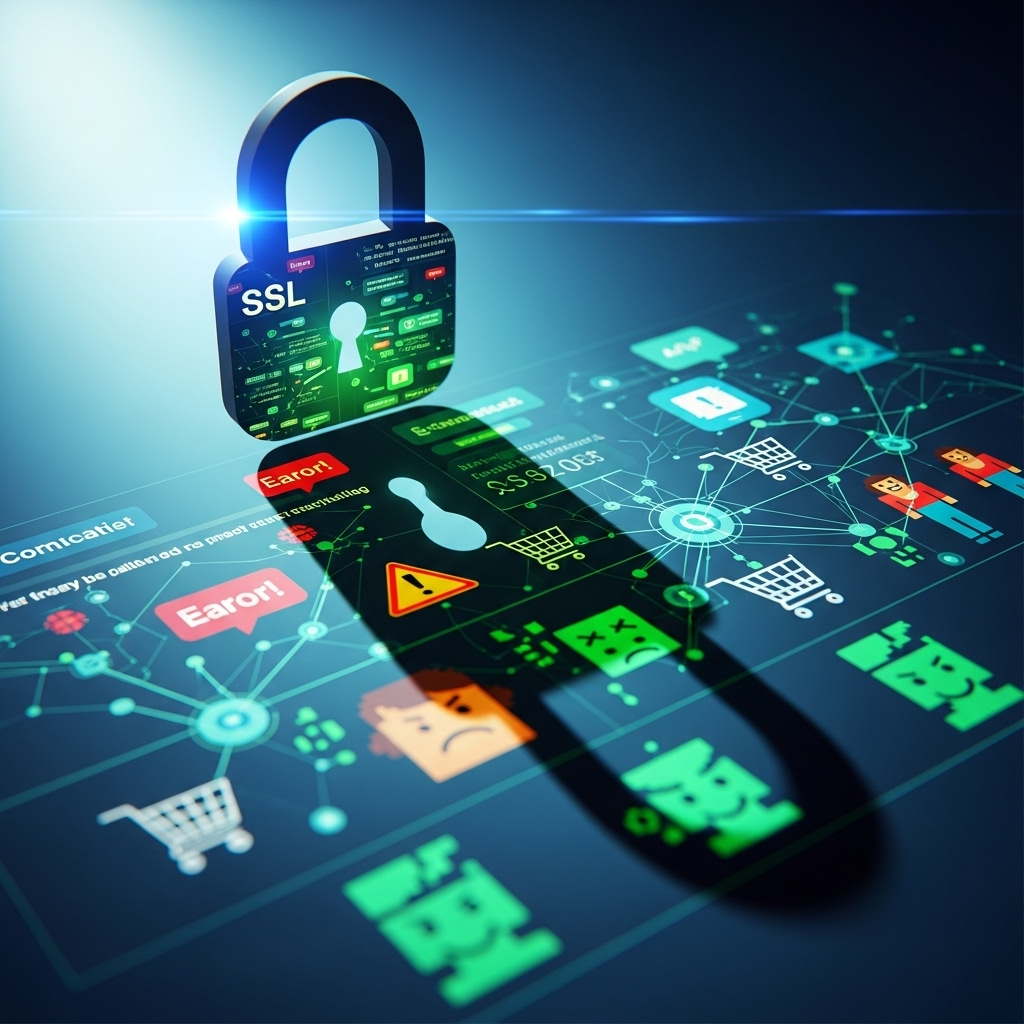
As an e-commerce business owner in [City], you understand the importance of building trust with your customers. After all, trust is the foundation of any successful online business. One of the most effective ways to establish trust with your customers is by securing your website with an SSL certificate. In this blog post, we’ll explore the importance of SSL certificates for e-commerce trust and why your online store needs one.
What is an SSL Certificate?
Before we dive into the why, let’s quickly cover what an SSL certificate is. An SSL (Secure Sockets Layer) certificate is a digital certificate that verifies the identity of a website and enables an encrypted connection between the website and its visitors. This encryption ensures that all data transmitted between the website and the visitor’s browser remains private and secure.
The Importance of SSL Certificates for E-commerce Trust
So, why is an SSL certificate crucial for e-commerce trust? Here are a few reasons:
- Security: An SSL certificate ensures that all data transmitted between your website and your customers’ browsers is encrypted, protecting sensitive information such as credit card numbers, passwords, and addresses.
- Trust: When a website has an SSL certificate, it signals to customers that the website is trustworthy and secure. This can increase customer confidence and encourage them to complete transactions on your site.
- Compliance: Many e-commerce platforms and payment gateways require SSL certificates to ensure compliance with industry standards and regulations.
- Search Engine Optimization (SEO): Google favors websites with SSL certificates, giving them a slight boost in search engine rankings.
- Data Breaches: Without encryption, your customers’ sensitive information may be vulnerable to hackers and data breaches.
- Loss of Customer Trust: If your website is not secure, customers may lose trust in your brand and take their business elsewhere.
- Penalties: Some e-commerce platforms and payment gateways may penalize you for not having an SSL certificate, making it difficult to process transactions.
- How to Manage Your Company’s Online Reputation: https://stackesystems.in/how-to-manage-your-companys-online-reputation/
- Custom ERP Solutions vs. Ready-Made Software: https://stackesystems.in/custom-erp-solutions-vs-ready-made-software/
- What is UI/UX Design? Why It Increases Sales: https://stackesystems.in/what-is-ui-ux-design-why-it-increases-sales/
- Facebook: https://www.facebook.com/stackesystems/
- Twitter: https://twitter.com/stackesystems
- LinkedIn: https://www.linkedin.com/company/stack-e-systems/
The Consequences of Not Having an SSL Certificate
If you don’t have an SSL certificate, you may be putting your customers’ sensitive information at risk. Here are a few consequences of not having an SSL certificate:
How to Get an SSL Certificate
Getting an SSL certificate is a relatively simple process. Here are a few steps to follow:
1. Choose a Certificate Authority: Select a reputable certificate authority (CA) such as GlobalSign, DigiCert, or Comodo.
2. Verify Your Domain: Verify your domain ownership and ensure that your website is properly configured.
3. Generate a Certificate Signing Request (CSR): Generate a CSR, which will be used to request your SSL certificate.
4. Submit Your Request: Submit your CSR to the CA and follow their instructions to obtain your SSL certificate.
5. Install Your SSL Certificate: Install your SSL certificate on your website, following the instructions provided by your CA.
Frequently Asked Questions
Q: What is the difference between an SSL certificate and a TLS certificate?
A: SSL and TLS are both encryption protocols used to secure online communications. SSL is an older protocol that has been replaced by TLS, which is more secure and efficient.
Q: How do I know if my website has an SSL certificate?
A: You can check if your website has an SSL certificate by looking for the “https” prefix in your website’s URL and the lock icon in your browser’s address bar.
Q: How much does an SSL certificate cost?
A: The cost of an SSL certificate varies depending on the certificate authority and the type of certificate you choose. Some certificates can cost as little as $10 per year, while others can cost hundreds of dollars per year.
Conclusion
In conclusion, SSL certificates are crucial for e-commerce trust. Without an SSL certificate, you may be putting your customers’ sensitive information at risk and damaging your brand’s reputation. By following the steps outlined in this post, you can obtain an SSL certificate and ensure that your online store is secure and trustworthy.
Ready to Get Started?
If you’re ready to secure your online store with an SSL certificate, contact STACK E SYSTEMS today. Our team of experts can help you choose the right certificate authority and guide you through the process of obtaining and installing your SSL certificate.
Additional Resources
Get in Touch
If you have any questions or would like to learn more about SSL certificates and e-commerce trust, please don’t hesitate to contact us at 9445210058 or [email protected]. We’re always happy to help.
Stay Connected
Follow us on social media to stay up-to-date on the latest news and tips on e-commerce, technology, and more.