

How to Use Blog Content to Rank for Local Service Keywords: A Chennai Expert's Guide As a local SEO strategist and conversion expert based in Chennai, I've seen countless businesses struggle to rank for local service keywords. The truth is, most websites fail to capture the attention of local searchers because they don't understand how …

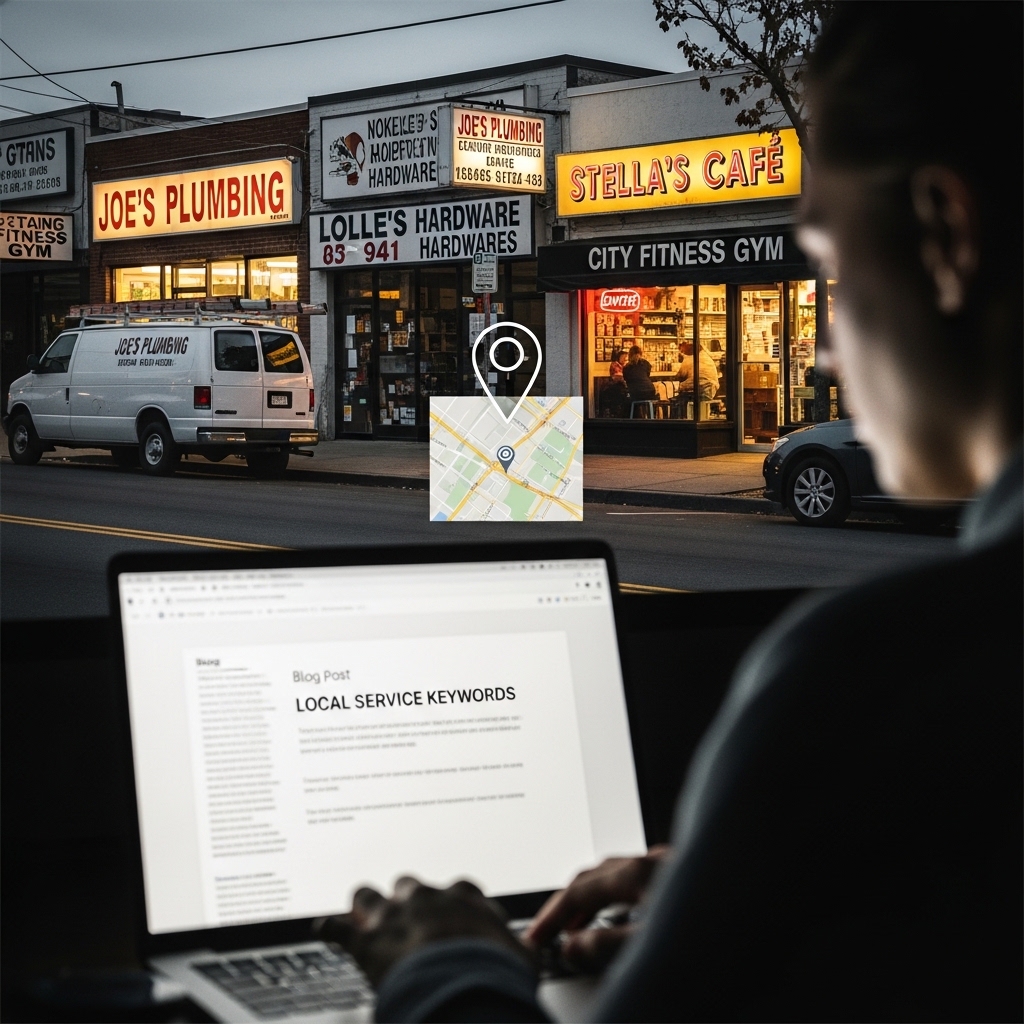
How to Use Blog Content to Rank for Local Service Keywords: A Chennai Expert’s Guide
As a local SEO strategist and conversion expert based in Chennai, I’ve seen countless businesses struggle to rank for local service keywords. The truth is, most websites fail to capture the attention of local searchers because they don’t understand how to create content that resonates with their target audience.
The Problem:
Imagine you’re a salon owner in Chennai, and a potential customer searches for “haircut near me” on Google. What do they see? A list of irrelevant results, with your website nowhere to be found. This is a common scenario, and it’s because most businesses don’t know how to optimize their blog content for local service keywords.
The Solution:
In this article, I’ll share my expert insights on how to use blog content to rank for local service keywords. I’ll cover everything from the importance of location-based content to the secrets of creating conversion-driven blog posts. By the end of this article, you’ll know exactly how to create a blog that attracts local searchers and drives conversions for your business.
Quick Answer Section:
To rank for local service keywords, you need to create content that addresses the specific needs of your target audience. This means writing about topics that are relevant to your business and location, such as “best hair salons in Chennai” or “mobile repair services in Chennai.”
Core Section 1: The Importance of Location-Based Content
Location-based content is crucial for ranking for local service keywords. This type of content is designed to attract searchers who are looking for services in a specific location. By creating location-based content, you can increase your chances of ranking for local keywords and attracting local searchers.
Example:
Let’s say you’re a mobile shop in Chennai, and you want to create a blog post about the best mobile phone accessories in Chennai. You could write a post that lists the top 5 mobile phone accessories in Chennai, including their prices and where to buy them. This type of content is location-based and relevant to your target audience, making it more likely to rank for local keywords.
Core Section 2: Creating Conversion-Driven Blog Posts
Conversion-driven blog posts are designed to drive conversions, not just attract visitors. This means creating content that is relevant to your target audience and addresses their specific needs and pain points. By creating conversion-driven blog posts, you can increase your chances of driving conversions and growing your business.
Example:
Let’s say you’re a clinic in Chennai, and you want to create a blog post about the benefits of dental implants. You could write a post that explains the benefits of dental implants, including the cost and how they can improve your oral health. This type of content is conversion-driven and relevant to your target audience, making it more likely to drive conversions.
Reality Check Section:
Many businesses make the mistake of creating content that is irrelevant to their target audience. They may write about topics that are popular but not relevant to their business or location. This type of content is unlikely to rank for local keywords and is unlikely to drive conversions.
Micro Case Example:
I worked with a salon in Chennai that was struggling to attract local searchers. We created a location-based blog post that listed the top 5 hair salons in Chennai, including their prices and where to buy them. The post was highly relevant to the target audience and addressed their specific needs and pain points. As a result, the salon saw a significant increase in local search traffic and conversions.
Practical “Do This Now” Section:
To create a blog that ranks for local service keywords, follow these steps:
1. Identify your target audience and their specific needs and pain points.
2. Create location-based content that addresses their needs and pain points.
3. Optimize your content for local keywords, including the name of your business and location.
4. Use internal linking to connect your blog posts and create a seamless customer journey.
5. Monitor your analytics to see how your content is performing and make adjustments as needed.
Internal Linking:
- Creating Location Pages That Actually Rank (Template Included)
- How to Get More Google Reviews for Your Chennai Business
- Structured Data for Local Business: A Step-by-step Guide
- “No trust = no sale.”
- “People don’t read. They scan for safety.”
- “The right content can make all the difference in ranking for local service keywords.”
- “Location-based content is crucial for ranking for local service keywords.”
- “Conversion-driven blog posts are designed to drive conversions, not just attract visitors.”
FAQs Section:
Q: How do I create location-based content that ranks for local keywords?
A: Start by identifying your target audience and their specific needs and pain points. Then, create content that addresses those needs and pain points, using location-based keywords such as the name of your business and location.
Q: What is the importance of optimizing my content for local keywords?
A: Optimizing your content for local keywords is crucial for ranking for local service keywords. This means including location-based keywords such as the name of your business and location in your content.
Q: How do I use internal linking to connect my blog posts and create a seamless customer journey?
A: Use internal linking to connect your blog posts and create a seamless customer journey by including links to other relevant blog posts or pages on your website.
Conclusion:
Creating a blog that ranks for local service keywords is crucial for driving conversions and growing your business. By following the steps outlined in this article, you can create a blog that attracts local searchers and drives conversions for your business. Remember to create location-based content that addresses the specific needs and pain points of your target audience, and optimize your content for local keywords. With the right strategy and content, you can increase your chances of ranking for local service keywords and driving conversions for your business.
Punch Lines: