
Creating Location Pages That Actually Rank (Template Included) As a local SEO strategist and conversion expert in Chennai, I've seen countless businesses struggle to create location pages that actually rank. It's a common problem, but one that can be easily solved. In this article, I'll share my expertise on how to create location pages that …

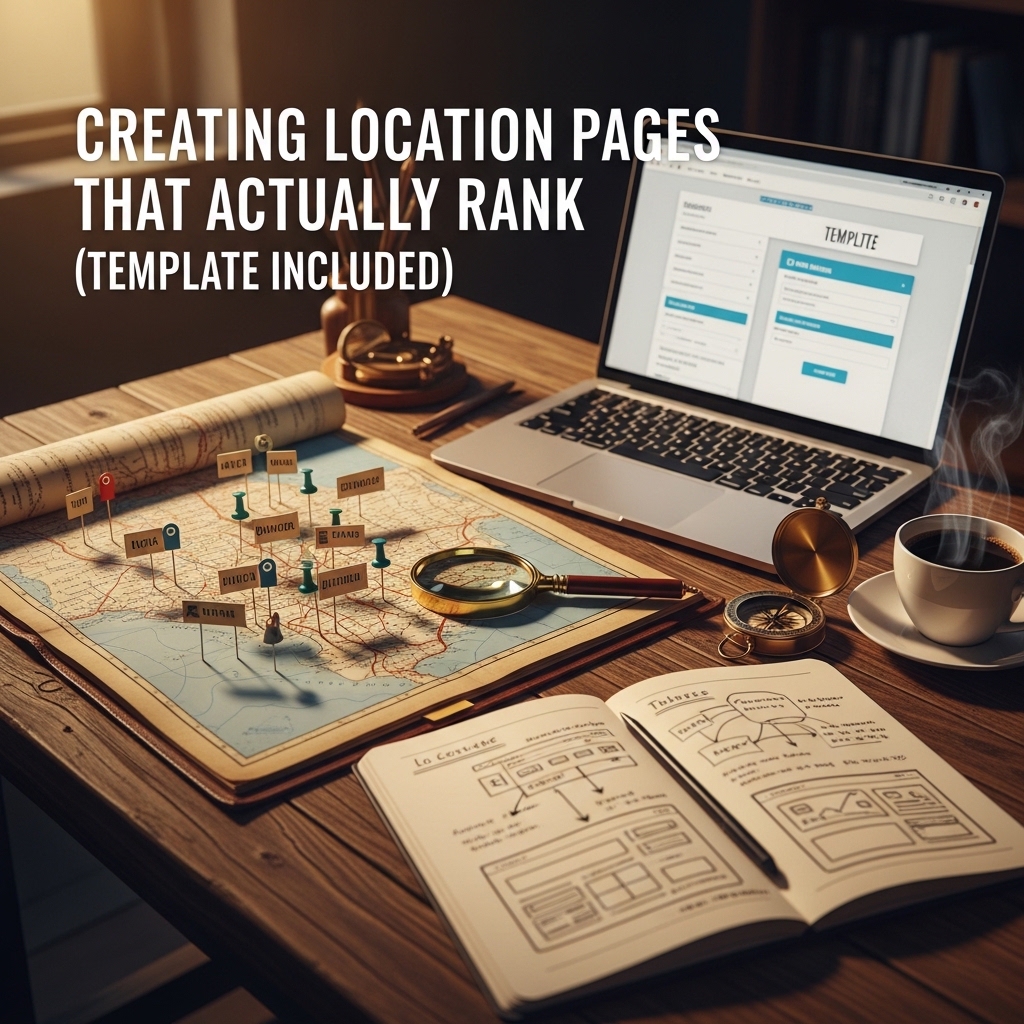
Creating Location Pages That Actually Rank (Template Included)
As a local SEO strategist and conversion expert in Chennai, I’ve seen countless businesses struggle to create location pages that actually rank. It’s a common problem, but one that can be easily solved. In this article, I’ll share my expertise on how to create location pages that not only rank but also drive conversions for your business.
What are Location Pages?
Location pages are a crucial part of any local SEO strategy. They’re dedicated pages on your website that highlight your business’s presence in specific locations. Think of it as a digital storefront that showcases your services, products, and expertise in a particular area.
Why Do Location Pages Matter?
In today’s digital age, users are more likely to search for businesses near their location. According to Google, 76% of users who conduct a local search on their smartphone visit a related business within a day. This means that having a well-optimized location page can drive more foot traffic, phone calls, and conversions to your business.
The Importance of Structured Data for Location Pages
Structured data is the backbone of any successful location page. It provides Google with the necessary information to understand the context and relevance of your page. Think of it as a digital business card that Google can index and display in search results.
Quick Answer Section: How to Create Location Pages That Rank
- Use a clear and concise title that includes the location name and your business’s name.
- Use header tags (H1, H2, H3) to structure your content and highlight important information.
- Include a brief summary of your business’s services and offerings in the location.
- Use schema markup to provide additional context to search engines.
- Optimize your images and videos with descriptive alt tags and captions.
- Not including the location name in the title tag.
- Not using header tags to structure the content.
- Not including schema markup.
- Not optimizing images and videos.
- Not making the content location-specific.
- Address: 123, Anna Salai, Adyar, Chennai
- Phone Number: 044 12345678
- Hours: Monday to Friday, 10am to 7pm
- Services: Haircuts, Color, Styling, Massages
- Reviews: 4.5/5 stars, 100+ reviews
- Identify the locations you want to target and create separate pages for each location.
- Use the tips and examples provided in this article to optimize your location pages.
- Make sure to include schema markup and structured data to provide additional context to search engines.
- Test and track the performance of your location pages using Google Analytics and Search Console.
Common Mistakes to Avoid When Creating Location Pages
Real-Life Example: A Location Page That Actually Ranks
Let’s say you’re a salon in Chennai and you want to create a location page for your Adyar branch. Here’s an example of what the page could look like:
Adyar Salon
Schema Markup Example
Here’s an example of schema markup for the Adyar salon location page:
json
{
“@context”: “https://schema.org”,
“@type”: “LocalBusiness”,
“name”: “Adyar Salon”,
“image”: “https://example.com/adyar-salon-logo.jpg”,
“address”: {
“@type”: “PostalAddress”,
“streetAddress”: “123, Anna Salai”,
“addressLocality”: “Adyar”,
“addressRegion”: “Chennai”,
“postalCode”: “600020”,
“addressCountry”: “India”
},
“telephone”: “044 12345678”,
“openingHours”: “Mo-Fr 10:00-19:00”,
“priceRange”: “$$$”,
“review”: {
“@type”: “Review”,
“rating”: 4.5,
“reviewBody”: “Great salon with excellent services.”,
“reviewer”: “John Doe”
}
}
Do This Now: Create Your Own Location Page
Conclusion
Creating location pages that actually rank is a crucial step in any local SEO strategy. By following the tips and examples provided in this article, you can create location pages that drive conversions and increase your online visibility. Remember to use schema markup, structured data, and location-specific content to make your pages stand out in search results.
Frequently Asked Questions
Q: What is the best way to structure my location page?
A: Use header tags (H1, H2, H3) to structure your content and highlight important information.
Q: How do I optimize my images and videos for my location page?
A: Use descriptive alt tags and captions to provide additional context to search engines.
Q: What is schema markup and why is it important?
A: Schema markup is a type of structured data that provides additional context to search engines. It’s important because it helps search engines understand the context and relevance of your page.
Get in Touch
If you’re looking for more information on how to create location pages that actually rank, feel free to contact us at STACK E SYSTEMS. We’re a team of local SEO strategists and conversion experts based in Chennai who can help you drive more conversions and online visibility for your business.
WhatsApp: 9445210058