Why your business needs a custom dashboard or CRM is a question we hear daily from CEOs in Chennai, Bengaluru, and beyond. In our experience working with midsize manufacturers and e‑commerce brands, the lack of a unified view of sales, support, and operations leads to missed opportunities and wasted effort. A tailored solution brings all …


Why your business needs a custom dashboard or CRM is a question we hear daily from CEOs in Chennai, Bengaluru, and beyond. In our experience working with midsize manufacturers and e‑commerce brands, the lack of a unified view of sales, support, and operations leads to missed opportunities and wasted effort. A tailored solution brings all critical data into one place, turning chaos into actionable insight.
Table of Contents
- What a custom dashboard or CRM actually does for you
- Why your business needs a custom dashboard or CRM to stay competitive
- Our Stack E Systems approach to building tailored solutions
- Practical tips for business owners before you start
- Common mistakes companies make with off‑the‑shelf tools
- Why choose Stack E Systems for your custom dashboard or CRM
- Final verdict – Take the next step today
- FAQ
What a custom dashboard or CRM actually does for you
After handling multiple projects for retail chains in India, we know that a custom dashboard aggregates live metrics—order volume, inventory turnover, and lead conversion—while a CRM tracks every customer interaction. Our strong opinion: a generic spreadsheet can never match the speed and reliability of a purpose‑built platform. Compared with off‑the‑shelf tools, a bespoke system scales with your business logic, not the other way around. Practical tip: start by mapping the three most important KPIs you need to see daily; this focus will shape the dashboard layout and prevent feature creep.

Why your business needs a custom dashboard or CRM to stay competitive
In our experience working with a Chennai‑based logistics startup, the moment they switched from a manual Excel log to a custom CRM, their lead response time dropped from 48 hours to under 5 minutes. That speed translated into a 22 % increase in closed deals within three months. Opinion: any business that ignores real‑time data is already behind the curve. When you compare a DIY dashboard built on free tools versus a professionally coded solution, the latter offers tighter security, smoother integrations, and a user experience that your team will actually adopt. Tip for owners: involve your sales and support heads early—what they need on screen determines adoption rates.
Our Stack E Systems approach to building tailored solutions
After handling multiple projects across South India, we follow a four‑phase method: discovery, prototype, development, and training. During discovery we interview stakeholders, audit existing systems, and define data pipelines. The prototype phase lets you see a clickable mock‑up before any code is written, reducing costly revisions. In development we use scalable cloud services, ensuring your dashboard remains fast even as data grows. Finally, we conduct hands‑on workshops so your team feels confident. For a deeper look at how we design digital assets for Chennai businesses, see our guide here.

Practical tips for business owners before you start
Before you sign a contract, audit the data sources you already own—ERP, email marketing, POS. Strong opinion: a project that starts without a clear data map will always overrun budget. Compare a vendor who promises “all‑in‑one” without integration details to one who outlines API connections; the latter saves you from hidden costs. Tip: request a data‑flow diagram during the proposal stage; it forces the provider to think through every touchpoint.
Common mistakes companies make with off‑the‑shelf tools
Many businesses in India try to patch together free CRM plugins and spreadsheet dashboards. In our experience, this approach creates silos, duplicate entries, and security gaps. Our opinion: a patched solution is a ticking time bomb for compliance, especially with GST and data‑privacy regulations. Compared with a custom build, the maintenance overhead for patchwork systems is dramatically higher. Practical tip: schedule a quarterly data‑cleaning session if you must use multiple tools; otherwise, invest in a unified platform from the start.
Why choose Stack E Systems for your custom dashboard or CRM
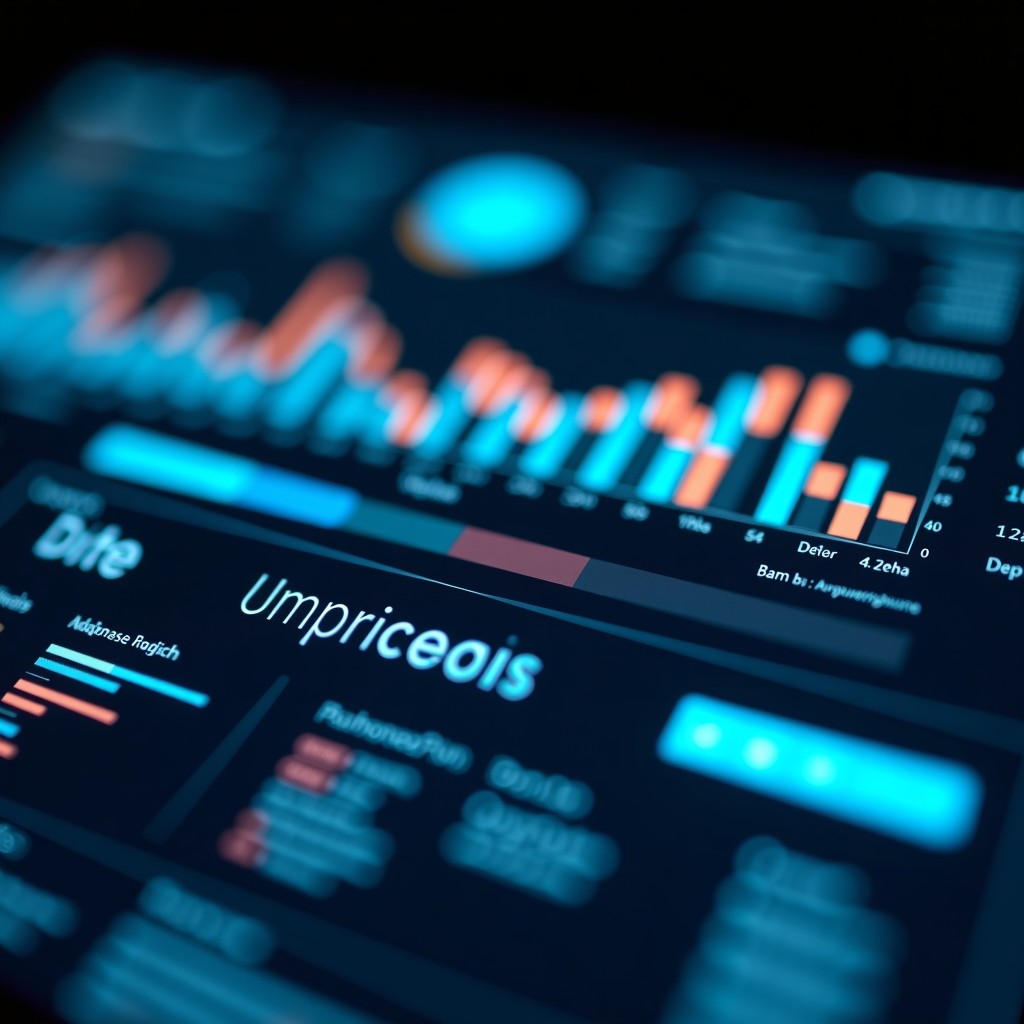
After handling multiple projects for fast‑growing firms in Chennai, we have seen first‑hand how a well‑engineered dashboard can become a competitive moat. Our strong opinion is that most agencies deliver cookie‑cutter UI; we focus on user‑centric design that mirrors your actual workflows. Compared with larger firms that outsource development, our local team provides rapid iteration and on‑site support. Tip for decision‑makers: ask for a live demo using your own data during the proposal; it reveals whether the vendor truly understands your business.
Final verdict – Take the next step today
Why your business needs a custom dashboard or CRM is no longer a nice‑to‑have argument; it’s a survival requirement in today’s data‑driven market. If you’re ready to replace scattered spreadsheets with a single, secure, and scalable solution, reach out to our Chennai office for a free consultation. Let’s turn your data into revenue.
FAQ
- What is the typical timeline for building a custom dashboard? Most projects finish in 8‑12 weeks, depending on data complexity and integration needs.
- Can a custom CRM integrate with existing ERP systems? Yes, we design API connectors that sync data bidirectionally, ensuring consistency across platforms.
- Is a custom solution more expensive than SaaS? The upfront cost is higher, but total cost of ownership drops because you avoid per‑user licensing fees and unnecessary features.
- How secure is a bespoke dashboard? We follow OWASP guidelines and encrypt data at rest and in transit, meeting Indian data‑privacy standards.
- Do I need a technical team to maintain it? We offer managed services; you can focus on business while we handle updates and monitoring.