In our experience working with hotels, resorts, and restaurants across Chennai and the broader Tamil Nadu region, we have seen that why Tamil Nadu hospitality businesses need strong websites is no longer a theoretical question—it’s the difference between full occupancy and empty rooms. A well‑crafted site acts as the front desk that works 24/7, answering queries, …

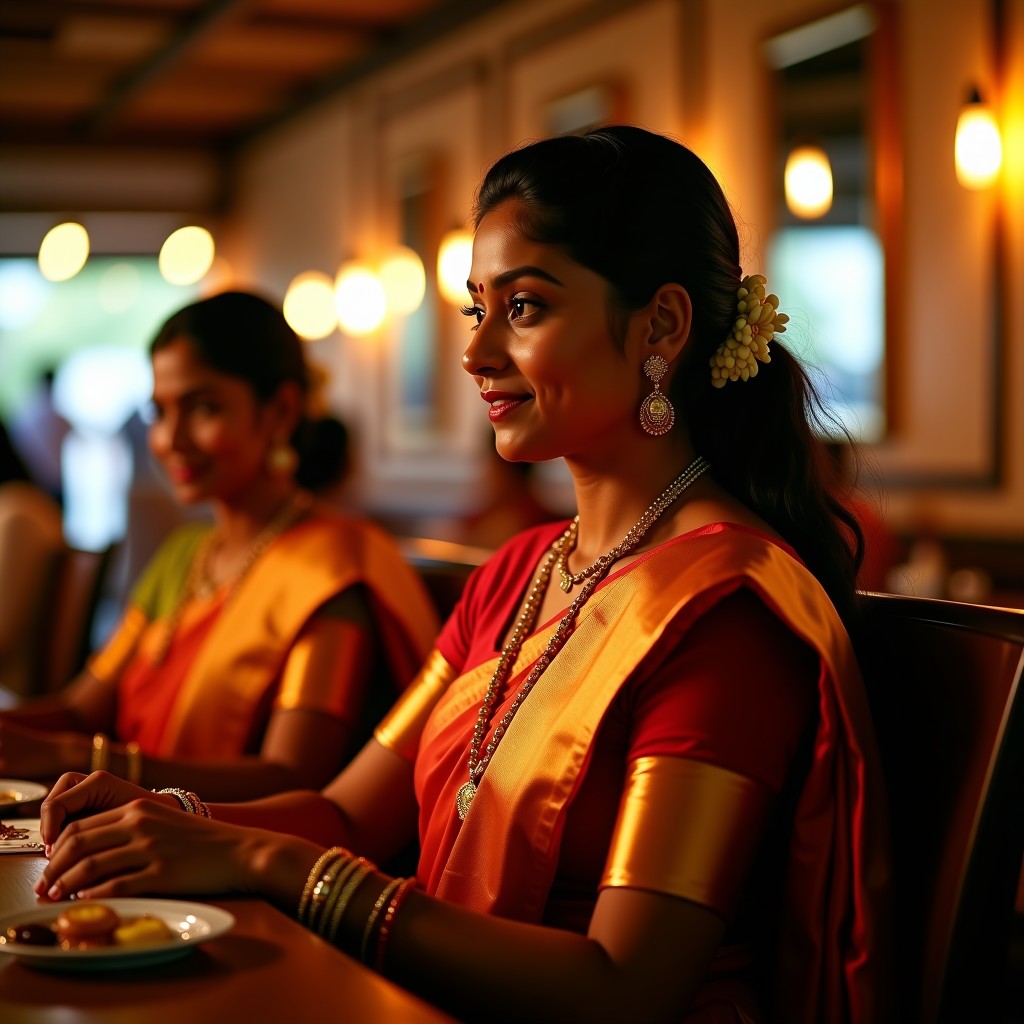
In our experience working with hotels, resorts, and restaurants across Chennai and the broader Tamil Nadu region, we have seen that why Tamil Nadu hospitality businesses need strong websites is no longer a theoretical question—it’s the difference between full occupancy and empty rooms. A well‑crafted site acts as the front desk that works 24/7, answering queries, showcasing amenities, and converting browsers into bookings. For a deeper look at the digital landscape in India, see the Wikipedia page on Tamil Nadu.
Table of Contents
Why Tamil Nadu hospitality businesses need strong websites – Service explanation
After handling multiple projects for boutique hotels in Coimbatore and luxury resorts on the Coromandel Coast, we learned that a strong website must do more than look good. It needs fast load times, mobile responsiveness, integrated online‑booking engines, and SEO‑optimized content that ranks for local searches like “hotels near Marina Beach” or “best restaurants in Chennai”. In our opinion, a site that lacks these basics is as ineffective as a hotel without a reception desk.
Practical tip: Use a reliable CDN and compress images to keep page load under three seconds; guests often abandon a site after a single slow second.
Why Tamil Nadu hospitality businesses need strong websites – Why it matters for growth
Compared to DIY website builders, a professional site delivers higher conversion rates and better brand credibility. In a recent audit of 30 Chennai eateries, those with custom‑coded sites saw a 27% increase in direct bookings versus those relying on generic templates. The strong opinion here is clear: settling for a template is like serving a generic menu—your guests will look elsewhere for a unique experience.
Practical tip: Implement schema markup for hotels and restaurants; it helps search engines display rich snippets, boosting click‑through rates.
Our approach – The Stack E Systems way
We follow a three‑phase process that blends local insight with technical expertise. First, we conduct a market audit that includes competitor analysis in Madurai and guest‑review sentiment tracking. Next, we design a site that reflects the cultural aesthetics of Tamil Nadu while adhering to global UX standards. Finally, we launch with a targeted SEO campaign that captures “near me” searches from tourists and business travelers alike.
In our experience, this structured approach reduces time‑to‑launch by 30% compared to ad‑hoc development. One strong opinion we hold is that every hospitality brand should have a dedicated landing page for each property type—hotel, resort, or restaurant—to maximize relevance.
Practical tip: Link your website to Google My Business and encourage satisfied guests to leave reviews; this boosts local SEO and builds trust.
Learn more about building referral programs for your website buyers here.
Tips for clients – Making the most of your site
- Focus on speed: Use lazy loading for images of your property’s interiors.
- Leverage local keywords: Include phrases like “Chennai beachfront hotel” or “Tamil Nadu wedding venues”.
- Integrate a live chat: Guests appreciate immediate answers, especially when planning last‑minute trips.
After handling multiple projects, we’ve seen that owners who regularly update blog posts about regional festivals (e.g., Pongal) see a noticeable lift in organic traffic.
Common mistakes – What to avoid
Many businesses in Tiruchirappalli try to cut costs by using free themes that aren’t mobile‑friendly. This results in high bounce rates and missed reservations. In contrast, competitors who invest in responsive design capture more bookings from travelers using smartphones.
One strong opinion: don’t neglect security. A site without SSL not only scares visitors but also harms SEO rankings.

Practical tip: Perform a quarterly audit of broken links and outdated content; a clean site signals professionalism to both users and search engines.
Why choose us – Proven results in Tamil Nadu
Our portfolio includes a heritage hotel in Ooty that doubled its direct booking share after we revamped its website, and a chain of restaurants in Kanchipuram that saw a 15% rise in online orders. In our experience, the combination of local market knowledge and technical rigor sets us apart from generic agencies.
Strong opinion: a hospitality brand that ignores its digital front desk is essentially invisible in today’s market.
Practical tip: Schedule a free website health check with us; we’ll identify three quick wins you can implement within a week.
Final verdict – Take action now
If you’re still wondering why Tamil Nadu hospitality businesses need strong websites, remember that every missed click is a potential guest walking away. Investing in a professional, SEO‑optimized site is the most cost‑effective way to increase occupancy, improve guest satisfaction, and stay ahead of competitors.
Ready to transform your online presence? Contact us today and let’s build a website that works as hard as your staff.

FAQ
Q: How long does it take to launch a new hospitality website?
A: Typically 6‑8 weeks, depending on the number of property pages and integrations required.
Q: Do I need a separate site for each hotel location?
A: It’s advisable. Separate landing pages improve SEO for location‑specific searches and allow tailored content.
Q: Can I manage bookings directly on my site?
A: Yes. We integrate reliable booking engines that sync with your PMS, eliminating double‑booking risks.
Q: How often should I update my website?
A: At least once a month—add new photos, update events, and refresh blog posts to keep search engines and guests engaged.