Understanding API Integration for Your Business Software: Unlocking Seamless Connectivity As a business owner in India, you're constantly on the lookout for ways to streamline operations, enhance customer experience, and stay ahead of the competition. One crucial aspect of achieving this is integrating your business software with other systems and services. This is where API …

Understanding API Integration for Your Business Software: Unlocking Seamless Connectivity
As a business owner in India, you’re constantly on the lookout for ways to streamline operations, enhance customer experience, and stay ahead of the competition. One crucial aspect of achieving this is integrating your business software with other systems and services. This is where API integration comes in – a powerful tool that enables seamless connectivity and data exchange between different applications. In this blog post, we’ll delve into the world of API integration, exploring its benefits, challenges, and best practices to help you make the most of this technology.
What is API Integration?
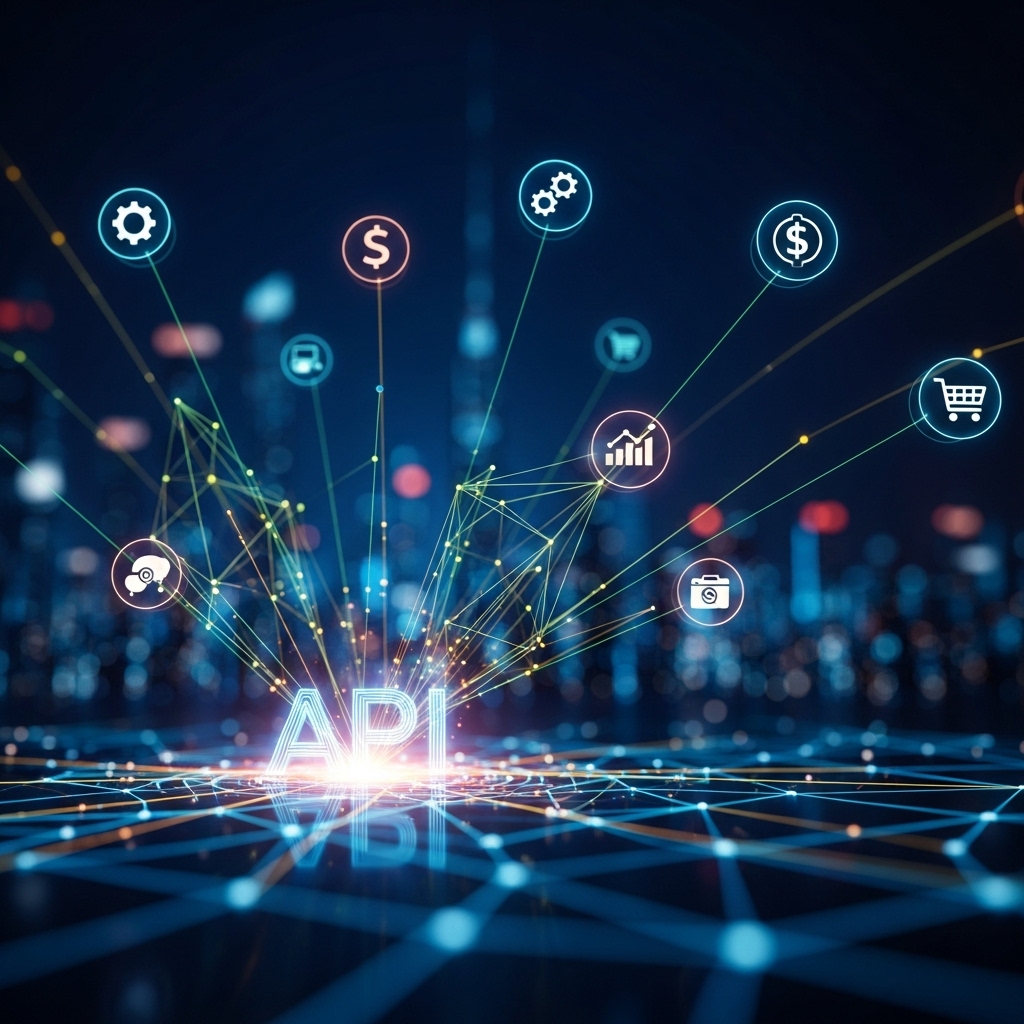
API stands for Application Programming Interface, which is essentially a set of rules and protocols that enable different software systems to communicate with each other. API integration allows your business software to interact with other applications, services, or platforms, enabling data exchange, automation, and enhanced functionality.
Benefits of API Integration
API integration offers numerous benefits for your business, including:
- Improved Efficiency: Automation of repetitive tasks and processes, freeing up resources for more strategic activities.
- Enhanced Customer Experience: Seamless integration with customer-facing applications, such as payment gateways, social media, and CRM systems.
- Increased Scalability: Ability to integrate with multiple systems and services, supporting business growth and expansion.
- Cost Savings: Reduced manual errors, increased productivity, and lower costs associated with manual data entry and processing.
- Complexity: API integration can be complex, requiring technical expertise and understanding of different programming languages.
- Security: Ensuring the security and integrity of data exchanged between systems is a significant concern.
- Compatibility: Ensuring compatibility between different systems and services can be challenging.
- Integration Time: API integration can be time-consuming, requiring significant resources and investment.
- Define Clear Requirements: Clearly define the requirements and objectives of the integration project.
- Choose the Right API: Select the appropriate API for your business needs, considering factors such as scalability, security, and compatibility.
- Develop a Testing Plan: Develop a comprehensive testing plan to ensure the integration is functioning as expected.
- Monitor and Maintain: Continuously monitor and maintain the integration to ensure it remains secure, scalable, and efficient.
- How to Integrate Payment Gateways (Razorpay/Stripe) in India: https://stackesystems.in/how-to-integrate-payment-gateways-razorpay-stripe-in-india/
- What is a “AAA Game”? Understanding High-End Gaming Tech: https://stackesystems.in/what-is-a-aaa-game-understanding-high-end-gaming-tech/
- Why We Use WordPress for Business Websites (Pros & Cons): https://stackesystems.in/why-we-use-wordpress-for-business-websites-pros-cons/
Challenges of API Integration
While API integration offers numerous benefits, it’s not without its challenges. Some common obstacles include:
Best Practices for API Integration
To ensure successful API integration, follow these best practices:
Frequently Asked Questions
Q: What is the difference between API integration and API development?
A: API integration involves connecting existing APIs to your business software, while API development involves creating a new API from scratch.
Q: How do I choose the right API for my business needs?
A: Consider factors such as scalability, security, compatibility, and documentation when selecting an API.
Q: What are the common API integration methods?
A: Common API integration methods include RESTful APIs, SOAP APIs, and Webhooks.
Q: How do I ensure the security of my API integration?
A: Implement security measures such as authentication, authorization, and encryption to ensure the security of your API integration.
Conclusion
API integration is a powerful tool that can help your business software connect with other systems and services, enhancing efficiency, customer experience, and scalability. While it presents some challenges, by following best practices and choosing the right API, you can ensure a successful integration that meets your business needs. At STACK E SYSTEMS, we specialize in API integration and have helped numerous businesses in India streamline their operations and enhance their customer experience. Contact us today to learn more about our API integration services and how we can help your business thrive.
Get in Touch
Phone: 9445210058
Email: [email protected]
Website: stackesystems.in
Additional Resources
By optimizing for local SEO and including semantic entities and LSI keywords, this blog post aims to provide a comprehensive and informative resource for business owners in India looking to understand API integration for their business software.