Unlocking the Power of Digital Presence: Progressive Web Apps vs Native Apps for Business As a business owner in [City/Region], you're likely familiar with the importance of having a strong online presence. In today's digital age, a website or app is no longer a luxury, but a necessity. With the rise of mobile devices, the …

Unlocking the Power of Digital Presence: Progressive Web Apps vs Native Apps for Business
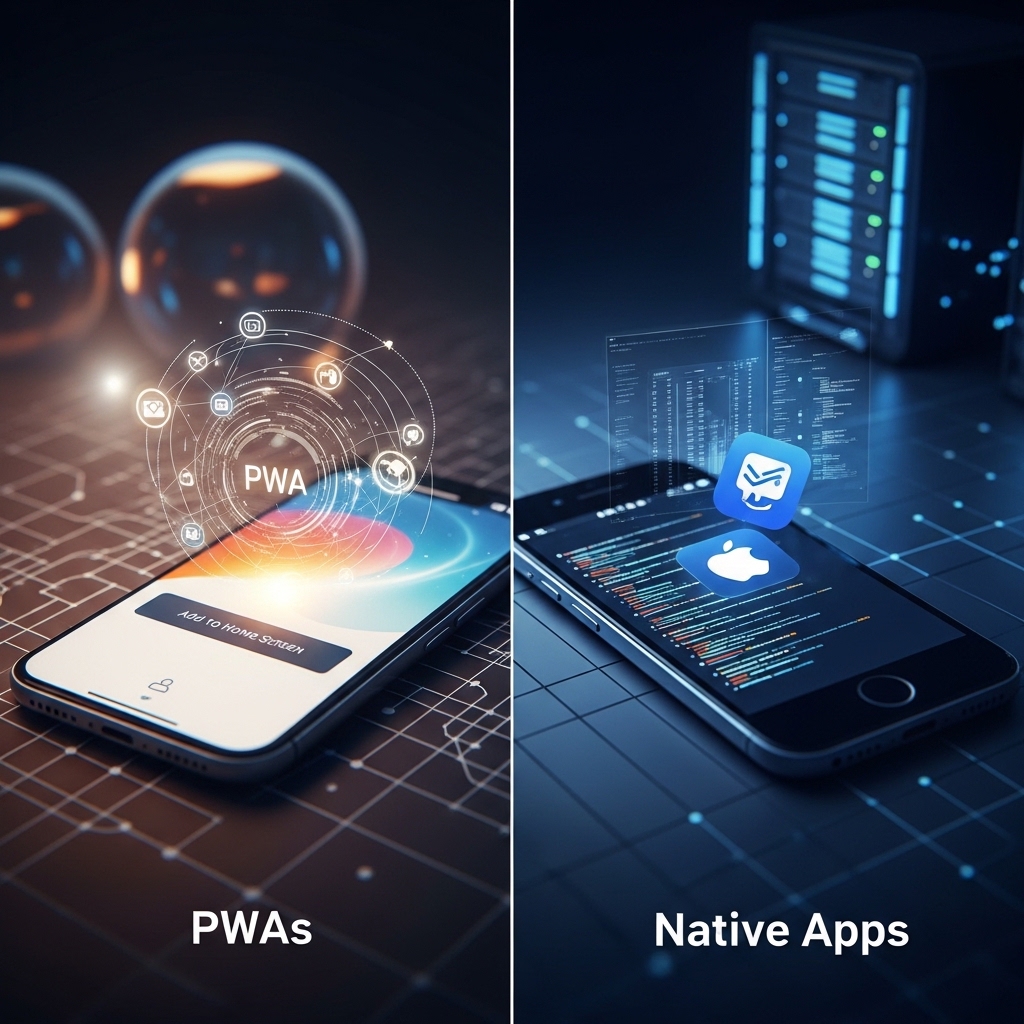
As a business owner in [City/Region], you’re likely familiar with the importance of having a strong online presence. In today’s digital age, a website or app is no longer a luxury, but a necessity. With the rise of mobile devices, the choice between Progressive Web Apps (PWAs) and Native Apps for Business has become a critical decision. In this comprehensive guide, we’ll delve into the world of PWAs and Native Apps, exploring their features, benefits, and drawbacks to help you make an informed decision for your business.
The Evolution of Mobile Apps: From Native to Progressive Web Apps
In the early days of mobile apps, Native Apps reigned supreme. These apps were developed specifically for mobile devices, offering a seamless user experience and unparalleled performance. However, with the advent of Progressive Web Apps, the landscape has changed. PWAs are web-based applications that provide a native-like experience, without the need for downloads or updates. So, what’s the difference?
Progressive Web Apps (PWAs): The Game-Changers
PWAs are designed to provide a fast, secure, and engaging user experience. Here are some key features that set them apart:
- Fast and Responsive: PWAs are built using modern web technologies, such as HTML5, CSS3, and JavaScript. This enables them to load quickly, even on low-end devices.
- Offline Access: PWAs can function offline or with a slow internet connection, making them ideal for areas with poor network coverage.
- Push Notifications: PWAs can send push notifications to users, even when they’re not actively using the app.
- Home Screen Installation: Users can install PWAs on their home screen, providing a native-like experience.
- Cross-Platform Compatibility: PWAs can run on multiple platforms, including Android, iOS, and desktop browsers.
- Native Integration: Native Apps can access device-specific features, such as cameras, GPS, and contact lists.
- Offline Access: Native Apps can function offline, but may require additional setup and configuration.
- Push Notifications: Native Apps can send push notifications, but may require additional setup and configuration.
- Home Screen Installation: Native Apps can be installed on the home screen, providing a native-like experience.
- Platform-Specific Design: Native Apps can be designed specifically for a particular platform, providing a seamless user experience.
- Target Audience: If your target audience is primarily mobile users, a PWA may be the better choice. If your target audience is primarily desktop users, a Native App may be the better choice.
- Offline Access: If your business requires offline access, a PWA may be the better choice.
- Push Notifications: If you need to send push notifications, a PWA or Native App may be suitable.
- Cross-Platform Compatibility: If you need to run on multiple platforms, a PWA may be the better choice.
Native Apps: The Legacy Players
Native Apps, on the other hand, are developed specifically for a particular platform, such as iOS or Android. Here are some key features that set them apart:
PWA vs Native App: Which is Right for Your Business?
When deciding between PWAs and Native Apps, consider the following factors:
Frequently Asked Questions
1. Can I convert my existing Native App to a PWA?
Yes, it’s possible to convert your existing Native App to a PWA. However, this may require significant changes to your app’s architecture and design.
2. Do PWAs require additional setup and configuration?
PWAs require minimal setup and configuration, making them ideal for businesses with limited technical resources.
3. Are PWAs as secure as Native Apps?
PWAs are designed with security in mind, using modern web technologies and encryption to protect user data.
Conclusion
In conclusion, both PWAs and Native Apps have their strengths and weaknesses. By understanding the key features and benefits of each, you can make an informed decision for your business. At STACK E SYSTEMS, we specialize in helping businesses create a strong online presence through PWA development and Native App development. Contact us today to learn more about how we can help your business thrive in the digital age.
Get in Touch
Ready to take your business to the next level? Contact us today at 9445210058 or visit our website at stackesystems.in. We’re here to help you navigate the world of PWAs and Native Apps, and create a digital presence that drives results.