
How to Improve Time on Page Using UX Techniques: Boost Your Website's Performance As a business owner in Chennai, you understand the importance of having a website that loads quickly and provides a seamless user experience. A slow website can lead to frustrated users, high bounce rates, and ultimately, a loss of potential customers. In …

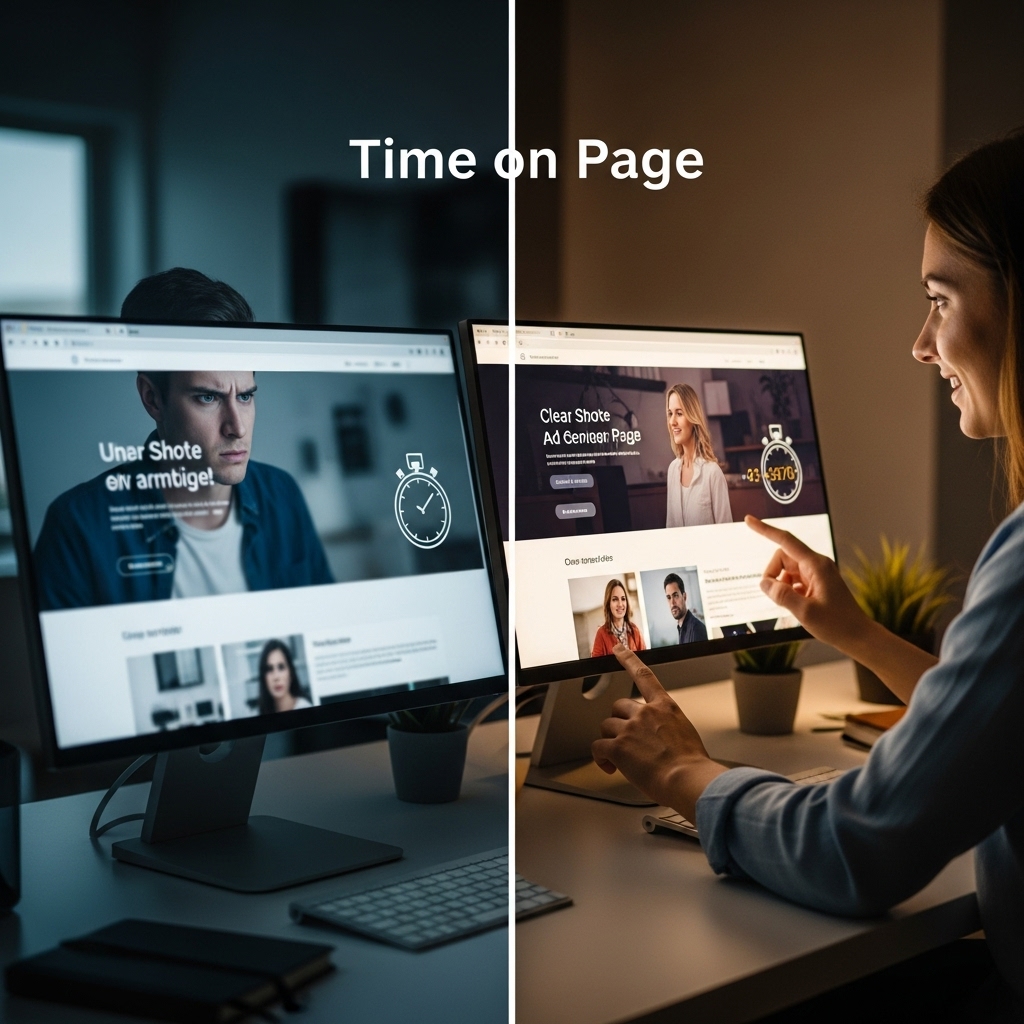
How to Improve Time on Page Using UX Techniques: Boost Your Website’s Performance
As a business owner in Chennai, you understand the importance of having a website that loads quickly and provides a seamless user experience. A slow website can lead to frustrated users, high bounce rates, and ultimately, a loss of potential customers. In this blog post, we’ll explore how to improve time on page using UX techniques, ensuring your website provides an exceptional experience for your visitors.
Understanding Time on Page
Time on page, also known as average time on page, is a crucial metric that measures how long users spend on your website. This metric is closely related to user engagement, and it’s an essential factor in determining your website’s overall performance. A higher time on page indicates that users are finding your content valuable and relevant, leading to increased engagement and conversion rates.
Why Improve Time on Page?
Improving time on page using UX techniques has numerous benefits, including:
- Increased user engagement: By providing a seamless user experience, you can encourage users to spend more time on your website, exploring your content and services.
- Higher conversion rates: When users are engaged with your content, they’re more likely to convert into customers, whether it’s through purchases, sign-ups, or other desired actions.
- Improved search engine rankings: Search engines, such as Google, consider time on page as a ranking factor. By improving time on page, you can increase your website’s visibility and ranking.
- Reduce clutter: Remove unnecessary elements, such as unnecessary images or redundant content, to create a clean and focused design.
- Use clear headings: Organize your content using clear and concise headings, making it easier for users to navigate and find what they’re looking for.
- Optimize font sizes and colors: Ensure font sizes and colors are legible and easy to read, reducing eye strain and improving user engagement.
- Simplify your menu: Reduce the number of menu items and categorize content logically, making it easier for users to find what they need.
- Use clear and concise labels: Use descriptive labels for buttons, links, and other interactive elements, reducing confusion and improving user experience.
- Ensure accessibility: Ensure your website is accessible to all users, including those with disabilities, by following web accessibility guidelines.
- Use high-quality images: Optimize images by compressing them and using high-quality images that load quickly, reducing page load times.
- Use animations judiciously: While animations can enhance user experience, excessive use can slow down page load times. Use them sparingly and optimize them for performance.
- Use whitespace effectively: Use whitespace effectively to create a clean and uncluttered design, improving user focus and engagement.
- Use interactive elements: Incorporate interactive elements, such as quizzes, polls, or games, to engage users and encourage them to spend more time on your website.
- Offer relevant content: Provide users with relevant and valuable content, such as blog posts, videos, or infographics, to keep them engaged and interested.
- Encourage user-generated content: Encourage users to create and share content, such as reviews or testimonials, to increase user engagement and social proof.
- Use analytics tools: Use analytics tools, such as Google Analytics, to track user behavior and identify areas for improvement.
- Conduct user testing: Conduct user testing to identify usability issues and gather feedback from users.
- A/B testing: Perform A/B testing to test different design elements, such as button colors or font sizes, and identify what works best for your users.
- SEO Audit Checklist for Chennai Companies: https://stackesystems.in/seo-audit-checklist-for-chennai-companies/
- How to Add Animations Without Slowing Your Website: https://stackesystems.in/how-to-add-animations-without-slowing-your-website/
- Perfect Homepage Structure for Chennai Businesses: https://stackesystems.in/perfect-homepage-structure-for-chennai-businesses/
UX Techniques to Improve Time on Page
1. Streamline Your Content
2. Improve Navigation and Information Architecture
3. Optimize Visual Elements
4. Enhance User Engagement
5. Monitor and Analyze
Frequently Asked Questions
Q: How do I measure time on page?
A: You can measure time on page using analytics tools, such as Google Analytics, which provides insights into user behavior and engagement metrics.
Q: What are some common UX mistakes that can negatively impact time on page?
A: Common UX mistakes include cluttered designs, poor navigation, and poor accessibility, which can lead to frustrated users and high bounce rates.
Q: How do I improve user engagement on my website?
A: You can improve user engagement by providing relevant and valuable content, using interactive elements, and encouraging user-generated content.
Conclusion
Improving time on page using UX techniques is crucial for businesses in Chennai and beyond. By streamlining your content, improving navigation and information architecture, optimizing visual elements, enhancing user engagement, and monitoring and analyzing user behavior, you can create a website that provides an exceptional user experience and encourages users to spend more time on your website. Remember to stay up-to-date with the latest UX trends and best practices to ensure your website remains competitive and engaging.
Get a Free SEO Audit Checklist for Chennai Companies
If you’re looking to improve your website’s performance and increase your online visibility, download our free SEO audit checklist for Chennai companies. This comprehensive checklist will help you identify areas for improvement and provide actionable tips to boost your website’s ranking and engagement.
Contact Us
If you have any questions or would like to learn more about how to improve time on page using UX techniques, contact us today. Our team of SEO experts is dedicated to helping businesses in Chennai and beyond achieve their online marketing goals.
WhatsApp: 9445210058
Company Website: stackesystems.in
Internal Links: