How to Build Multilingual Websites for Chennai: A Guide for Local Businesses As a business owner in Chennai, you understand the importance of having a strong online presence. With the majority of Indians using the internet to search for products and services, a multilingual website can be a game-changer for your business. In this article, …

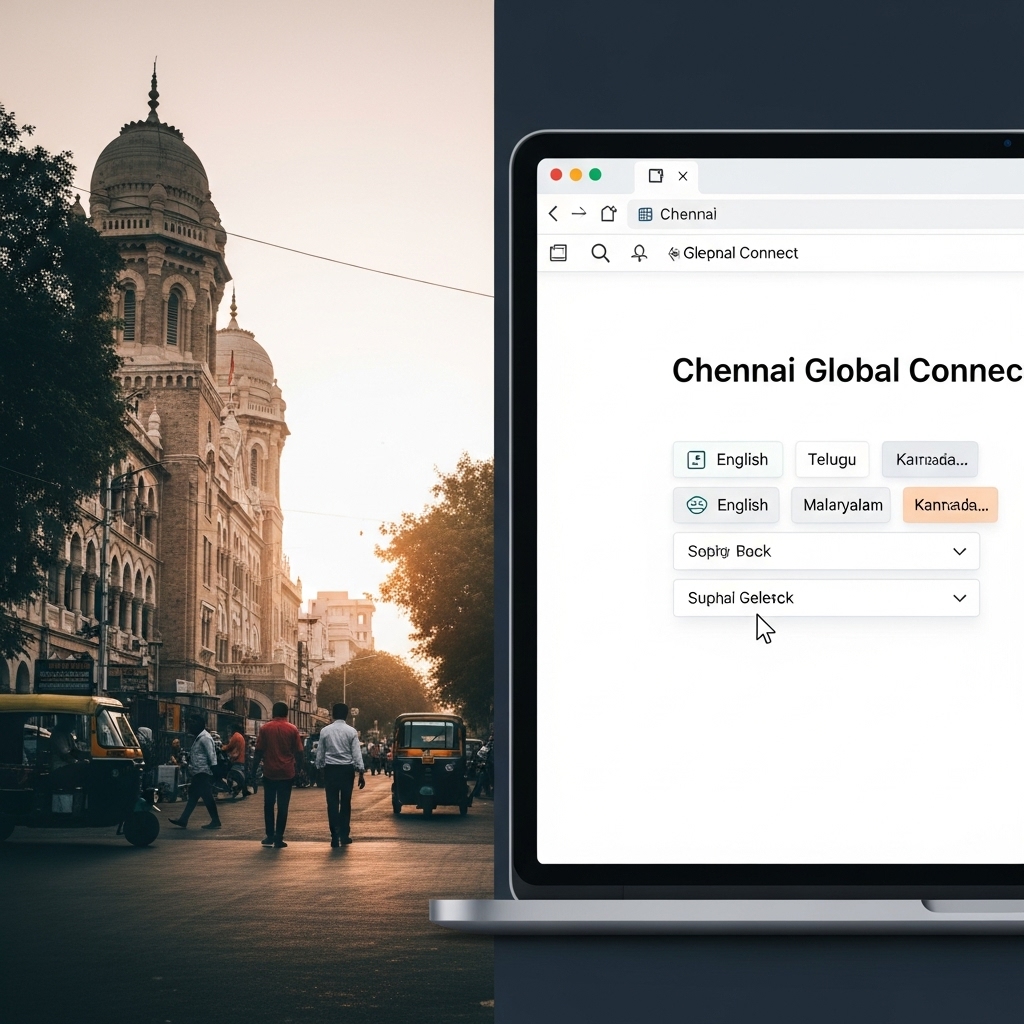
How to Build Multilingual Websites for Chennai: A Guide for Local Businesses
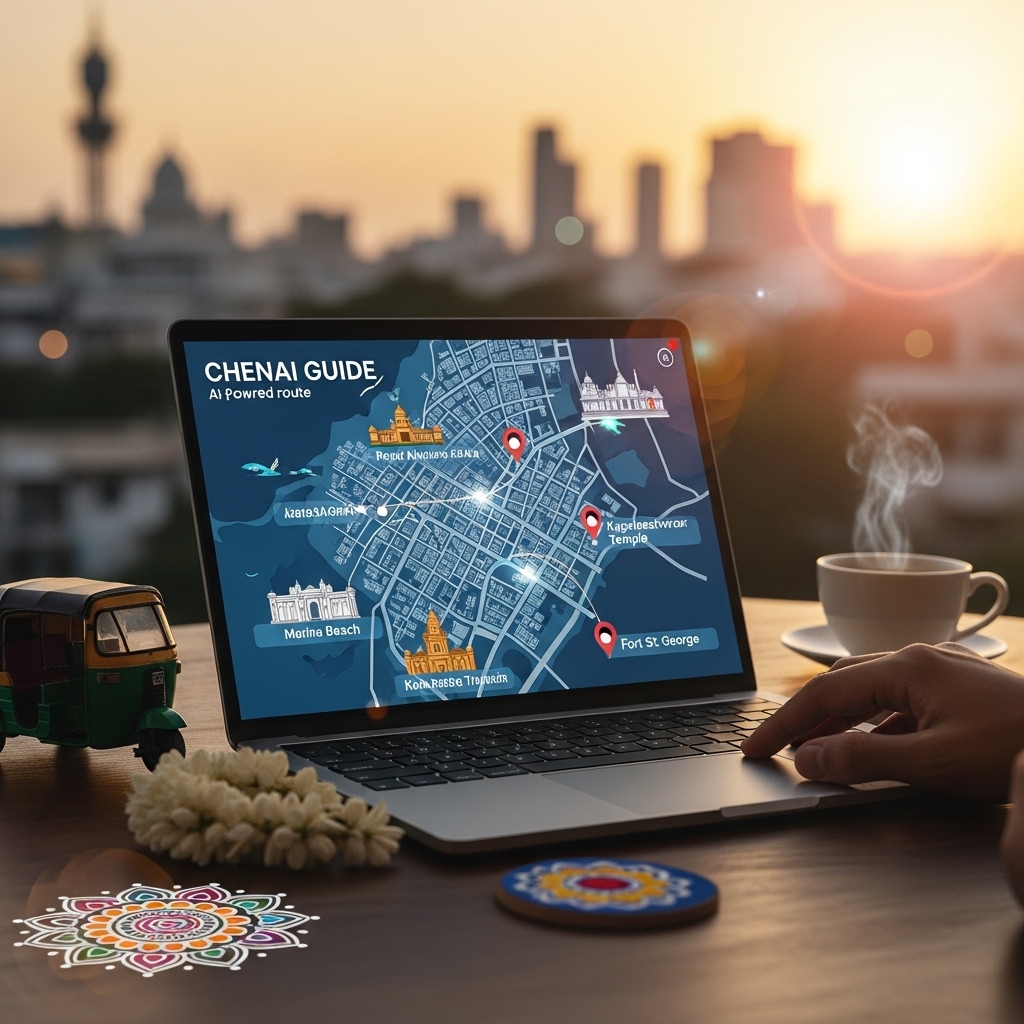
As a business owner in Chennai, you understand the importance of having a strong online presence. With the majority of Indians using the internet to search for products and services, a multilingual website can be a game-changer for your business. In this article, we’ll explore the benefits of building a multilingual website and provide a step-by-step guide on how to do it right.
Why Build a Multilingual Website for Chennai?
With a multilingual website, you can cater to a wider audience, increase your online visibility, and boost your conversions. Chennai is a culturally diverse city with a significant presence of people speaking different languages. By offering your website in multiple languages, you can:
- Reach a broader audience, including non-English speaking customers
- Improve user experience and engagement
- Increase your online visibility and search engine rankings
- Expand your business globally
- Increased Reach: A multilingual website allows you to target a wider audience, including those who may not speak the dominant language in your region.
- Improved User Experience: By providing content in multiple languages, you can ensure that your website is accessible and user-friendly for all visitors.
- Competitive Advantage: A multilingual website can set you apart from competitors and demonstrate your commitment to serving a diverse customer base.
- Global Expansion: A multilingual website can be a stepping stone for global expansion, allowing you to reach customers in different regions and countries.
- Identifying your target audience and the languages they speak
- Determining the content you want to translate and the tone you want to use
- Creating a content calendar to ensure consistency and regular updates
- Using relevant keywords and meta tags
- Creating high-quality, engaging content
- Building high-quality backlinks
- Ensuring mobile-friendliness and website accessibility
- Website Accessibility Standards for Indian Businesses: Learn more about website accessibility standards and how to make your website accessible to all users. https://stackesystems.in/website-accessibility-standards-for-indian-businesses/
- HTTPS vs HTTP – Why It Matters in 2025: Learn more about the importance of HTTPS and how it can impact your website’s security and search engine rankings. https://stackesystems.in/https-vs-http-why-it-matters-in-2025/
- Website Launch Checklist for Chennai Companies: Get a comprehensive checklist to ensure that your website is launched successfully and meets all the necessary requirements. https://stackesystems.in/website-launch-checklist-for-chennai-companies/
Benefits of Multilingual Websites
How to Build a Multilingual Website for Chennai
Building a multilingual website requires careful planning, execution, and maintenance. Here’s a step-by-step guide to help you get started:
Step 1: Plan Your Content Strategy
Before you start building your website, you need to plan your content strategy. This includes:
Step 2: Choose a Content Management System (CMS)
Select a CMS that supports multilingual functionality, such as WordPress, Joomla, or Drupal. Make sure the CMS is user-friendly and has a robust translation management system.
Step 3: Translate Your Content
Use a professional translation service or a machine translation tool to translate your content. Ensure that the translation is accurate, consistent, and culturally sensitive.
Step 4: Set Up Your Website’s Language Configuration
Configure your website’s language settings to display the correct language and region. This includes setting up language-specific URLs, meta tags, and content.
Step 5: Optimize Your Website for Search Engines
Optimize your website for search engines by:
Step 6: Test and Launch Your Website
Test your website thoroughly to ensure that it is functioning correctly and providing a good user experience. Launch your website and promote it through social media, email marketing, and other channels.
Frequently Asked Questions
Q: What is the best way to translate my website’s content?
A: You can use a professional translation service or a machine translation tool like Google Translate. Ensure that the translation is accurate, consistent, and culturally sensitive.
Q: How do I set up my website’s language configuration?
A: Configure your website’s language settings to display the correct language and region. This includes setting up language-specific URLs, meta tags, and content.
Q: How do I optimize my website for search engines?
A: Optimize your website for search engines by using relevant keywords and meta tags, creating high-quality, engaging content, building high-quality backlinks, and ensuring mobile-friendliness and website accessibility.
Conclusion
Building a multilingual website for Chennai is a great way to expand your online presence, increase your reach, and boost your conversions. By following the steps outlined in this article, you can create a website that is accessible and user-friendly for all visitors. Remember to plan your content strategy, choose a CMS that supports multilingual functionality, translate your content accurately, set up your website’s language configuration, optimize your website for search engines, and test and launch your website thoroughly.
Get in Touch with STACK E SYSTEMS
If you need help building a multilingual website for your Chennai-based business, get in touch with STACK E SYSTEMS. Our team of experts can help you create a website that meets your business needs and exceeds your expectations. Contact us at 9445210058 or visit our website at stackesystems.in.
Additional Resources
By following the tips and guidelines outlined in this article, you can create a multilingual website that is accessible, user-friendly, and optimized for search engines. Remember to plan your content strategy, choose a CMS that supports multilingual functionality, translate your content accurately, set up your website’s language configuration, optimize your website for search engines, and test and launch your website thoroughly. Good luck!