
How to Add Micro-Animations to Your Website: Boost Engagement and User Experience As a website owner, you're always looking for ways to improve user engagement and enhance the overall user experience. One effective way to do this is by incorporating micro-animations into your website. Micro-animations are small, subtle animations that can be used to draw …

How to Add Micro-Animations to Your Website: Boost Engagement and User Experience
As a website owner, you’re always looking for ways to improve user engagement and enhance the overall user experience. One effective way to do this is by incorporating micro-animations into your website. Micro-animations are small, subtle animations that can be used to draw attention, provide feedback, and create a more interactive experience for your users. In this comprehensive guide, we’ll show you how to add micro-animations to your website and take your user engagement to the next level.
Why Micro-Animations Matter
Before we dive into the specifics of adding micro-animations to your website, let’s talk about why they’re so important. Micro-animations can have a significant impact on user engagement and conversion rates. Here are just a few reasons why:
- Improve user experience: Micro-animations can make your website feel more dynamic and interactive, which can improve the overall user experience.
- Enhance visual appeal: Micro-animations can add visual interest and make your website more engaging.
- Provide feedback: Micro-animations can be used to provide feedback to users, such as indicating that a form has been submitted or a button has been clicked.
- Increase engagement: Micro-animations can be used to draw attention to specific elements on your website, such as calls-to-action or promotions.
- Hover effects: These are animations that trigger when a user hovers over a specific element on your website.
- Click effects: These are animations that trigger when a user clicks on a specific element on your website.
- Scroll effects: These are animations that trigger when a user scrolls to a specific point on your website.
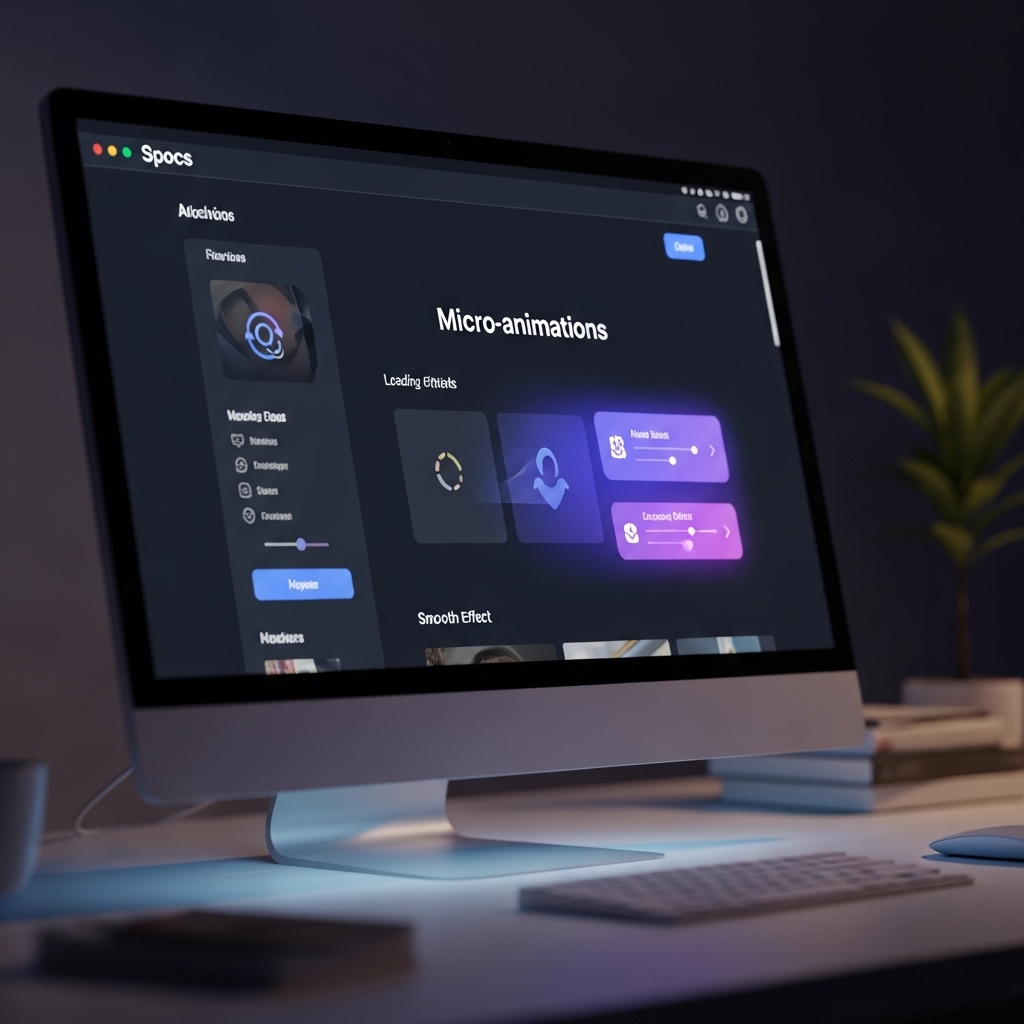
- Load effects: These are animations that trigger when a webpage or element is loaded.
- Keep it simple: Don’t overdo it with too many animations or complex animations. Keep your animations simple and easy to understand.
- Use animation triggers wisely: Make sure you’re using your animation triggers effectively. For example, don’t use a hover effect on a button that doesn’t need to provide feedback.
- Test your animations: Test your animations on different devices and browsers to make sure they work as expected.
- Optimize for performance: Make sure your animations are optimized for performance to avoid slowing down your website.
Types of Micro-Animations
There are many different types of micro-animations that you can use on your website. Here are a few examples:
How to Add Micro-Animations to Your Website
Adding micro-animations to your website is relatively straightforward. Here are the basic steps:
1. Choose a micro-animation library: There are many different micro-animation libraries available, including CSS animations, JavaScript libraries, and animation plugins. Choose one that fits your needs and skill level.
2. Define your animation triggers: Determine what triggers you want your micro-animations to respond to. This could be a hover, click, scroll, or load event.
3. Create your animation: Use your chosen micro-animation library to create your animation. You can use pre-built animations or create your own custom animations.
4. Add your animation to your website: Add your animation to your website using HTML, CSS, and JavaScript. You can add your animation to a specific element or use a global animation that applies to multiple elements.
Best Practices for Adding Micro-Animations to Your Website
Here are a few best practices to keep in mind when adding micro-animations to your website:
Frequently Asked Questions
Q: What are the benefits of using micro-animations on my website?
A: Micro-animations can improve user engagement, enhance visual appeal, provide feedback, and increase conversion rates.
Q: What types of micro-animations can I use on my website?
A: There are many different types of micro-animations you can use on your website, including hover effects, click effects, scroll effects, and load effects.
Q: How do I add micro-animations to my website?
A: Adding micro-animations to your website involves choosing a micro-animation library, defining your animation triggers, creating your animation, and adding your animation to your website.
Q: What are some best practices for adding micro-animations to my website?
A: Some best practices for adding micro-animations to your website include keeping it simple, using animation triggers wisely, testing your animations, and optimizing for performance.
Conclusion
Adding micro-animations to your website can be a powerful way to improve user engagement and enhance the overall user experience. By choosing the right micro-animation library, defining your animation triggers, creating your animation, and adding your animation to your website, you can create a more interactive and engaging experience for your users. Remember to keep it simple, use animation triggers wisely, test your animations, and optimize for performance to get the most out of your micro-animations.