

Hotel Website Design Best Practices: Boosting Bookings and Enhancing User Experience As a traveler, you've likely spent hours scouring the internet for the perfect hotel to suit your needs. A hotel's website is often the first point of contact between a potential guest and the hotel, making it crucial to make a great impression. In …

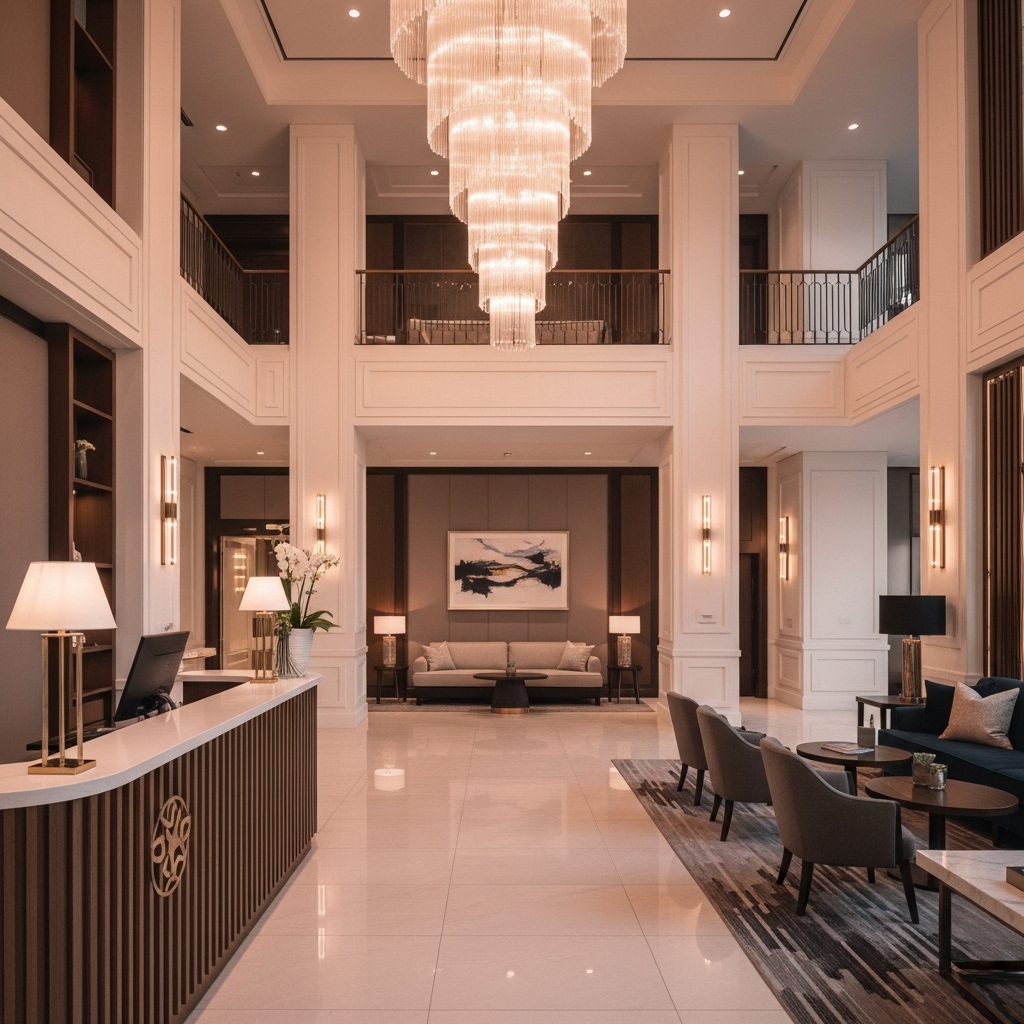
Hotel Website Design Best Practices: Boosting Bookings and Enhancing User Experience
As a traveler, you’ve likely spent hours scouring the internet for the perfect hotel to suit your needs. A hotel’s website is often the first point of contact between a potential guest and the hotel, making it crucial to make a great impression. In this blog post, we’ll explore the best practices for hotel website design, focusing on how to create an engaging and user-friendly experience that drives bookings and boosts your hotel’s online presence.
Understanding the Importance of Hotel Website Design
In today’s digital landscape, a hotel’s website is no longer just a means of providing basic information about the hotel. It’s a vital tool for attracting and converting potential guests. A poorly designed website can lead to a significant loss of bookings, while a well-designed website can increase conversions and drive revenue.
Key Elements of a Hotel Website Design
A hotel website should be designed with the user in mind, focusing on ease of use, navigation, and aesthetics. Here are some key elements to consider:
- Responsive Design: Ensure your website is optimized for mobile devices, as most travelers use their smartphones to book hotels.
- Clear and Concise Information: Provide easy-to-find information about your hotel, including amenities, services, and policies.
- High-Quality Images and Videos: Showcase your hotel’s unique features and amenities through high-quality images and videos.
- Simple and Intuitive Navigation: Make it easy for users to find what they’re looking for by using clear and consistent navigation.
- Secure Booking Process: Ensure a secure and reliable booking process to build trust with potential guests.
- Travel & Tourism Website Design Trends in Chennai: https://stackesystems.in/travel-tourism-website-design-trends-in-chennai/
- Website Design for Chennai Tutors & Coaching Centers: https://stackesystems.in/website-design-for-chennai-tutors-coaching-centers/
- How to Create High-Quality Backlinks in Chennai: https://stackesystems.in/how-to-create-high-quality-backlinks-in-chennai/
Best Practices for Hotel Website Design
1. Use a Simple and Memorable Domain Name: Choose a domain name that is easy to remember and relevant to your hotel’s brand.
2. Use a Consistent Brand Identity: Ensure your website’s design and branding are consistent with your hotel’s overall brand identity.
3. Optimize for Mobile: Ensure your website is optimized for mobile devices, as most travelers use their smartphones to book hotels.
4. Use High-Quality Images and Videos: Showcase your hotel’s unique features and amenities through high-quality images and videos.
5. Make it Easy to Book: Ensure a simple and intuitive booking process that is secure and reliable.
6. Use Clear and Concise Content: Provide easy-to-find information about your hotel, including amenities, services, and policies.
Hotel Website Design Trends to Watch
1. Minimalistic Design: Simple and clean designs are becoming increasingly popular, focusing on ease of use and navigation.
2. Personalization: Hotels are now using personalization to tailor the user experience to individual guests, increasing engagement and bookings.
3. Voice Search Optimization: With the rise of voice search, hotels should optimize their website for voice search to increase visibility.
Frequently Asked Questions
1. How do I optimize my hotel website for voice search?
Optimize your website for voice search by using natural language and long-tail keywords, focusing on local SEO, and using schema markup to provide additional context.
2. What are the most important elements of a hotel website design?
The most important elements of a hotel website design are responsiveness, clear and concise information, high-quality images and videos, simple and intuitive navigation, and a secure booking process.
3. How do I increase bookings on my hotel website?
Increase bookings on your hotel website by optimizing for mobile, using clear and concise content, making it easy to book, and providing a personalized experience.
Conclusion
A hotel website is no longer just a means of providing basic information about the hotel. It’s a vital tool for attracting and converting potential guests. By following the best practices outlined in this blog post, you can create an engaging and user-friendly experience that drives bookings and boosts your hotel’s online presence. Remember to focus on responsiveness, clear and concise information, high-quality images and videos, simple and intuitive navigation, and a secure booking process to ensure a positive user experience.
Get in Touch
Ready to take your hotel’s website to the next level? Contact us at 9445210058 or visit our website at stackesystems.in to learn more about our hotel website design services.
Related Resources
Disclaimer
The information provided in this blog post is for informational purposes only and should not be considered as professional advice. It’s always recommended to consult with a professional SEO expert or website designer for specific guidance on your hotel’s website design.