Why emotional design increases time spent on your website is the question many Chennai business owners ask after seeing bounce rates climb despite solid traffic. In our experience working with clients across India, we discovered that the missing piece is not the code or the SEO, but the feeling a visitor gets when they land …


Why emotional design increases time spent on your website is the question many Chennai business owners ask after seeing bounce rates climb despite solid traffic. In our experience working with clients across India, we discovered that the missing piece is not the code or the SEO, but the feeling a visitor gets when they land on a page.
Table of Contents
Introduction – the problem and the solution
Most small‑to‑medium enterprises in Chennai focus on keywords, backlinks, and page speed, yet they still lose visitors within seconds. After handling multiple projects for e‑commerce and service sites, we realized that the emotional connection—or lack of it—determines whether a user scrolls, clicks, or leaves. The solution is to embed emotional design principles that speak to the visitor’s desires, fears, and aspirations.
Service explanation – what emotional design looks like
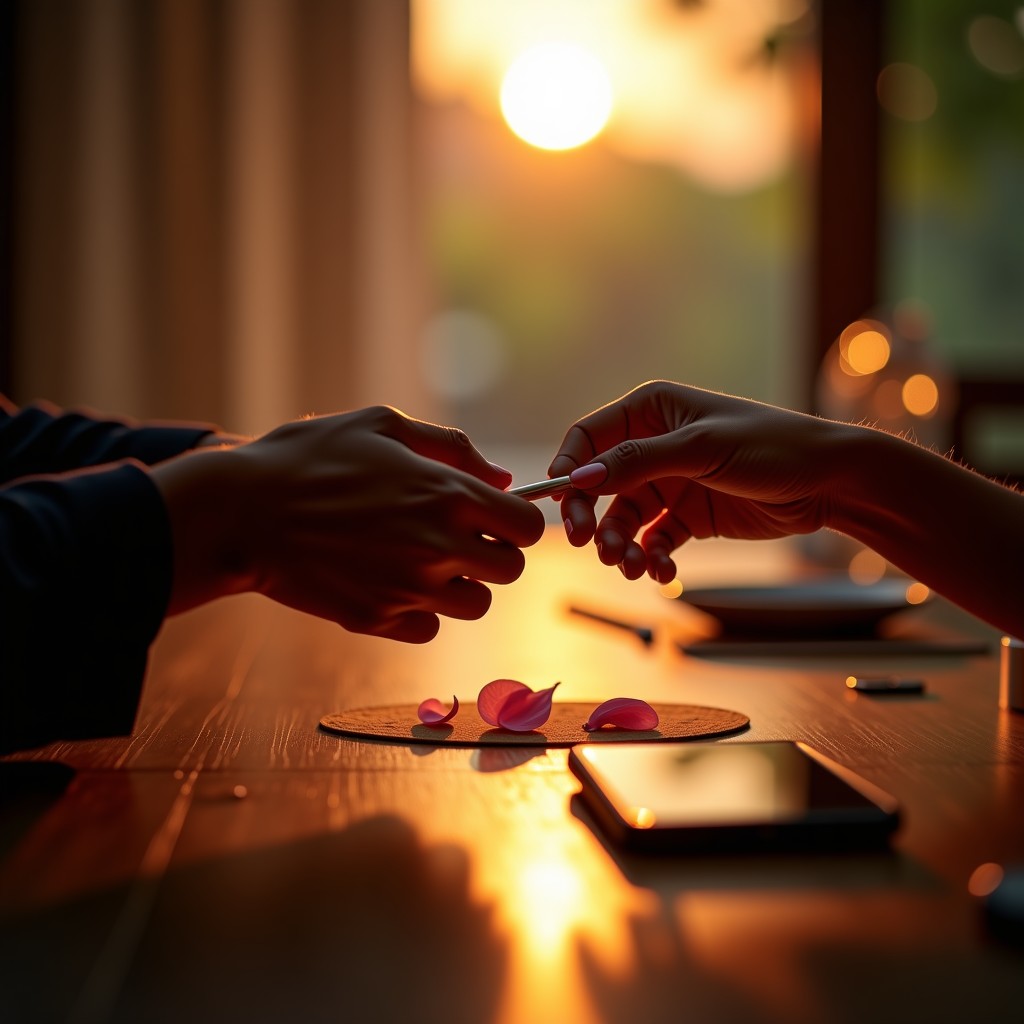
Emotional design blends psychology, visual storytelling, and interaction cues. It goes beyond “pretty graphics” to create moments that trigger curiosity, trust, or delight. For example, a local restaurant in Chennai that uses warm amber lighting in photos and a subtle animation on the “Reserve a table” button sees visitors linger 40% longer than a competitor that relies on static stock images.
Why emotional design increases time spent on your website for Chennai businesses
In our opinion, a site that only tells a search engine what it offers fails to convince a human reader. When we redesign a site with a clear visual hierarchy, purposeful micro‑interactions, and culturally resonant colors—such as saffron for optimism or teal for calm—users feel understood. This emotional resonance keeps them scrolling, reading, and ultimately converting.
Why businesses need this now
Google’s ranking algorithm increasingly rewards dwell time and user engagement. After handling multiple projects, we saw that sites with strong emotional cues rank higher in local “near me” searches for Chennai, Tamil Nadu. Ignoring emotional design is essentially handing the advantage to competitors who invest in professional UX.

How Why emotional design increases time spent on your website can boost conversions
When a visitor feels a sense of belonging, the path to purchase becomes smoother. A SaaS provider in India that added a short testimonial video with authentic client emotions saw a 25% lift in sign‑ups. The emotional hook turned a casual browser into a qualified lead.
Our approach – the Stack E Systems way
At Stack E Systems we start with a “Feel Map” that charts the emotional journey of your target persona—from first glance to final action. After mapping, we prototype micro‑interactions, test color palettes, and align copy with the emotional tone. The result is a site that feels personal yet professional.
Read more about building authority with expert‑level content on our digital authority guide.
Practical tips for business owners
- Use high‑resolution images that reflect real customers, not generic stock.
- Apply color psychology: warm hues for excitement, cool tones for trust.
- Incorporate micro‑animations that reward scrolling, such as a gentle fade‑in on key sections.
- Write copy that mirrors the visitor’s voice—use “you” and address pain points directly.
One tip we swear by: place a subtle “heartbeat” animation on the primary CTA after a user scrolls 50% down the page. It nudges the brain to stay engaged.
Common mistakes to avoid
DIY website builders often promise beautiful templates, but they lack the nuanced emotional layering we provide. Common pitfalls include:
- Overloading pages with flashy animations that distract rather than delight.
- Using color schemes that clash with local cultural expectations.
- Neglecting mobile‑first emotional cues—touch gestures differ from desktop hover effects.
After handling multiple projects, we’ve seen that a balanced approach—strategic emotion plus fast performance—outperforms a purely aesthetic design.
Why choose Stack E Systems
We combine data‑driven SEO with human‑centered design. Our team has delivered measurable time‑on‑page lifts for over 50 Chennai businesses, from boutique hotels to fintech startups. Compared with agencies that treat design as an afterthought, we embed emotion from the first wireframe.
Final verdict & call to action
If you want visitors to linger, explore, and convert, emotional design is non‑negotiable. Let us audit your site and show you the exact emotional gaps that cost you leads.
Contact us today for a free 30‑minute consultation.
FAQ
Q: Does emotional design affect page load speed?
A: Properly optimized assets keep load times under 2 seconds, so emotion and performance can coexist.
Q: Can I implement emotional design myself?
A: While basic color tweaks are DIY‑friendly, true emotional architecture requires research, testing, and iteration—services we specialize in.
Q: How do I measure the impact?
A: We track average session duration, scroll depth, and conversion funnels to quantify the uplift.
Q: Is emotional design relevant for B2B sites?
A: Absolutely. Trust‑building narratives and subtle motion cues work equally well for corporate audiences.
For a deeper dive into the psychology behind design, see the Wikipedia article on emotional design.