Bid vs Build: How to Decide When Tendering Web Projects As a local SEO strategist and conversion expert based in Chennai, I've had the privilege of working with numerous businesses in the city, from salons to clinics, mobile shops to service providers. One common challenge I've encountered is the dilemma of whether to bid or …

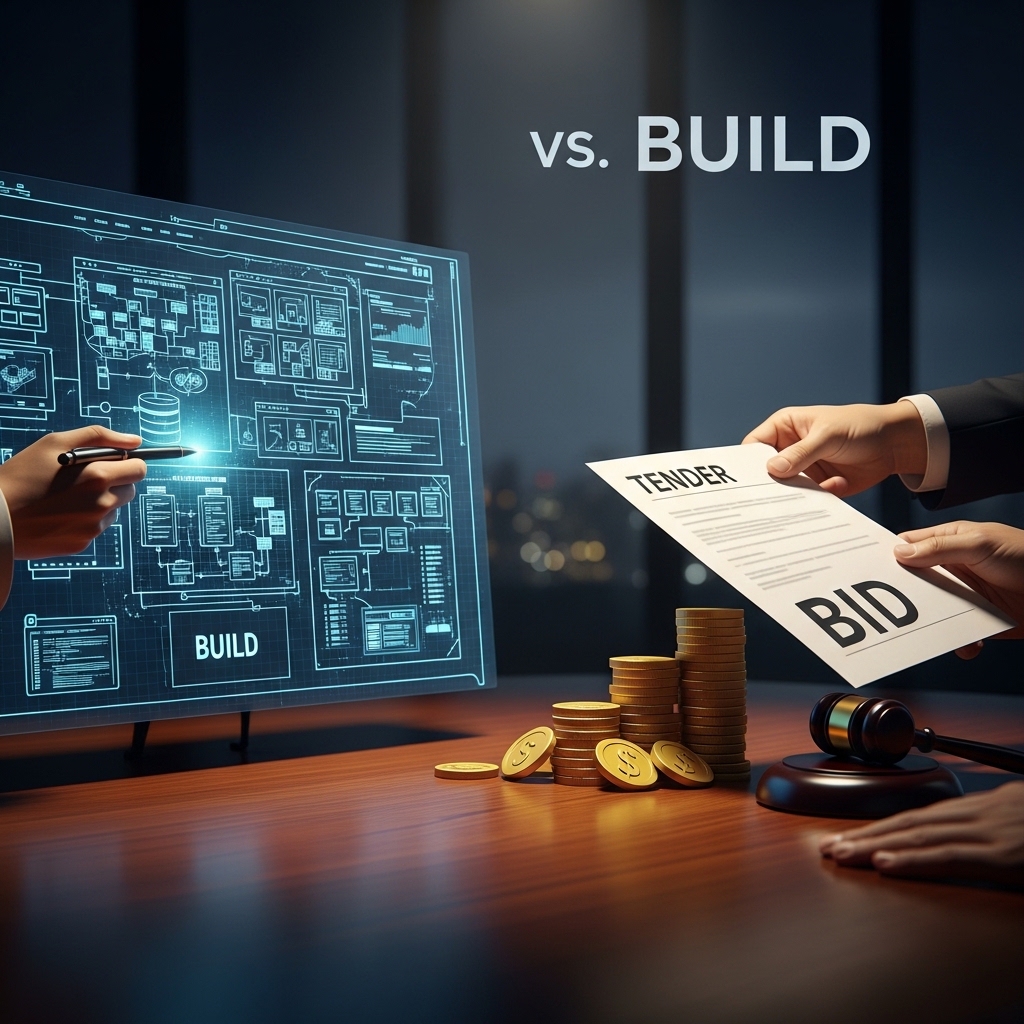
Bid vs Build: How to Decide When Tendering Web Projects
As a local SEO strategist and conversion expert based in Chennai, I’ve had the privilege of working with numerous businesses in the city, from salons to clinics, mobile shops to service providers. One common challenge I’ve encountered is the dilemma of whether to bid or build a web project. In this article, I’ll share my insights on how to decide when tendering web projects, and provide practical tips to help you make an informed decision.
Quick Answer:
When tendering web projects, it’s essential to consider the scope, budget, and timeline. If you’re unsure, start by building a minimum viable product (MVP) to test the waters before committing to a larger project.
Hook Introduction:
I recall a conversation with a Chennai-based salon owner who was struggling to decide between bidding and building a new website. She had received multiple quotes from different agencies, but was unsure which approach to take. As we discussed her options, I realized that many businesses face this dilemma. In this article, I’ll share my expertise to help you navigate the bid vs build conundrum.
Core Section 1: Understanding the Scope
Before deciding between bidding and building, it’s crucial to understand the scope of the project. Ask yourself:
- What are the project requirements?
- What are the key functionalities needed?
- What are the technical requirements?
- What is the allocated budget for the project?
- What is the deadline for completion?
- Are there any critical milestones that need to be met?
- Bid: Suitable for smaller projects or when you’re unsure about the scope or budget. Bidding allows you to test the waters and adjust your approach as needed.
- Build: Suitable for larger projects or when you have a clear scope and budget. Building allows you to create a custom solution that meets the client’s specific needs.
- Customer Journey Mapping for Local Businesses: Learn how to create a customer journey map for your local business and improve your online visibility. [Link to customer journey mapping article]
- Psychological Triggers that Increase Conversions: Discover the psychological triggers that increase conversions and improve your website’s effectiveness. [Link to psychological triggers article]
- Website Optimization Strategies: Find out how to optimize your website for better search engine rankings and improved conversions. [Link to website optimization article]
- How to Build a Retainer Agreement for Ongoing SEO & Web Work
- How to Quote for Custom Integrations & APIs
- How to Provide Clear Deliverables in Your Proposal
Punch Line: “A clear scope helps you create a realistic budget and timeline, ensuring you deliver a project that meets your client’s expectations.”
Core Section 2: Budget and Timeline
Next, consider the budget and timeline. Ask yourself:
Punch Line: “A realistic budget and timeline help you avoid scope creep and ensure a successful project delivery.”
Core Section 3: The Bid vs Build Dilemma
Now, let’s discuss the bid vs build dilemma. When to bid, and when to build? Here are some key considerations:
Reality Check: Many businesses tend to bid without a clear scope or budget, leading to scope creep and project delays. Be honest with yourself – are you bidding to win, or do you have a clear plan in place?
Micro Case Example: I recall a project where a Chennai-based mobile shop owner wanted to build a new website. After discussing the scope and budget, we decided to build a custom solution. The result was a website that exceeded the client’s expectations and increased their online visibility.
Practical “Do This Now” Section:
1. Define your scope: Clearly outline the project requirements and key functionalities needed.
2. Establish a budget: Allocate a realistic budget for the project, considering the scope and timeline.
3. Choose the right approach: Decide whether to bid or build based on the scope, budget, and timeline.
Internal Linking:
FAQs:
Q: What is the difference between bidding and building?
A: Bidding is suitable for smaller projects or when you’re unsure about the scope or budget, while building is suitable for larger projects or when you have a clear scope and budget.
Q: How do I ensure a successful project delivery?
A: By having a clear scope, realistic budget, and timeline, you can ensure a successful project delivery.
Q: What are the benefits of building a custom website?
A: Building a custom website allows you to create a solution that meets the client’s specific needs, increasing their online visibility and conversions.
Conclusion:
In conclusion, deciding between bidding and building a web project requires careful consideration of the scope, budget, and timeline. By following the practical tips outlined in this article, you can make an informed decision and deliver a successful project that meets your client’s expectations. Remember, a clear scope and realistic budget are essential for a successful project delivery.
WhatsApp: 9445210058
Final Call-to-Action: If you’re unsure about which approach to take or need help with your web project, contact STACK E SYSTEMS today and let us help you create a custom solution that meets your needs.
Internal Links: