Boost Your Online Presence: WordPress Speed Optimization for Faster Conversions As a business owner in the bustling city of [City Name], you're likely no stranger to the importance of a fast-loading website. In today's digital age, speed is a crucial factor in determining the success of your online presence. A slow website can lead to …

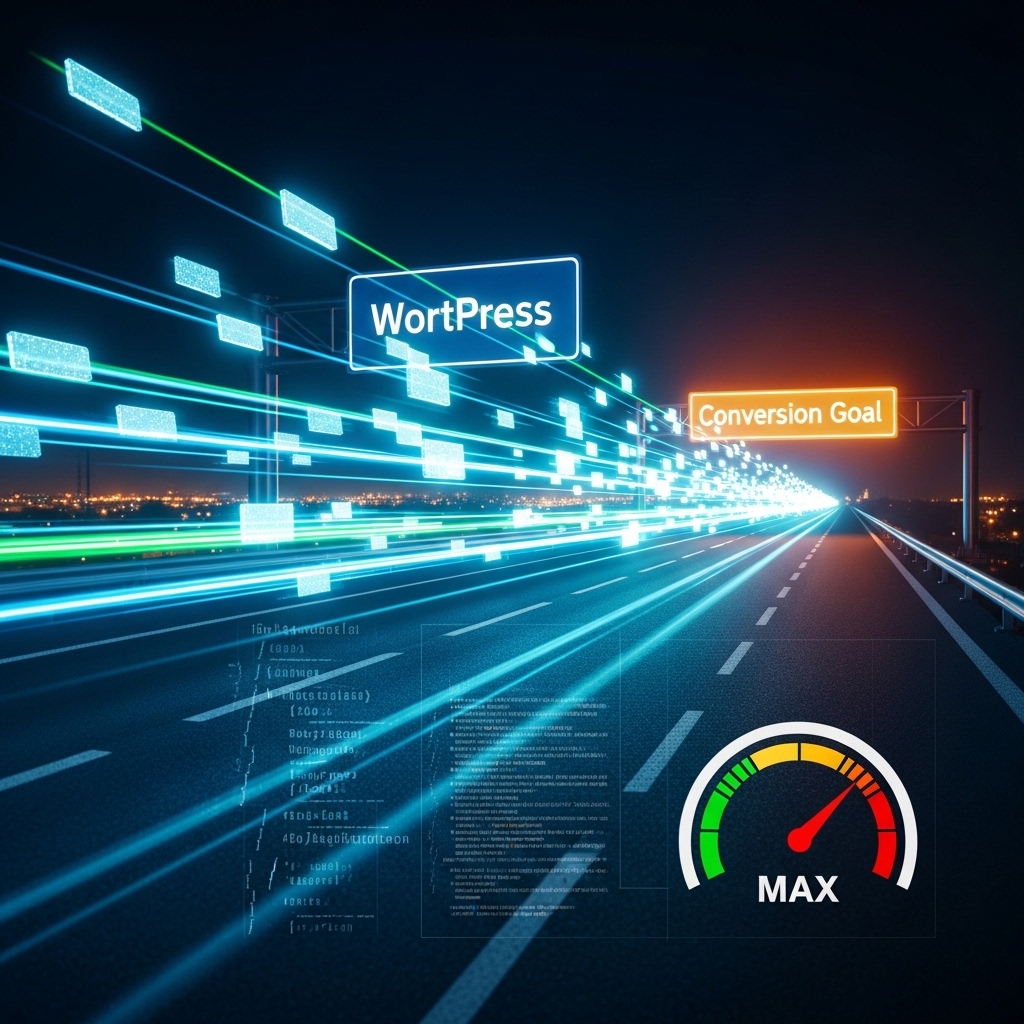
Boost Your Online Presence: WordPress Speed Optimization for Faster Conversions
As a business owner in the bustling city of [City Name], you’re likely no stranger to the importance of a fast-loading website. In today’s digital age, speed is a crucial factor in determining the success of your online presence. A slow website can lead to frustrated customers, high bounce rates, and even a significant loss of revenue. In this article, we’ll explore the art of WordPress speed optimization and how it can help you achieve faster conversions and a competitive edge in the market.
The Importance of Speed Optimization
Before we dive into the nitty-gritty of WordPress speed optimization, let’s take a step back and understand why speed is so crucial. According to Google, a one-second delay in page load time can result in a 7% reduction in conversions. That’s a significant impact on your bottom line! With the average attention span of a human being hovering around 8 seconds, you need to ensure that your website loads quickly to keep visitors engaged.
The Role of WordPress in Speed Optimization
WordPress is one of the most popular Content Management Systems (CMS) in the world, powering over 60 million websites. While WordPress is an excellent platform for building and managing your online presence, it can also be a speed demon if not optimized properly. With the right plugins, caching, and coding, you can transform your WordPress website into a speed machine that attracts and retains visitors.
Optimizing WordPress for Speed
So, how do you optimize WordPress for speed? Here are some actionable tips to get you started:
1. Choose the Right Hosting
The first step in optimizing WordPress for speed is to choose the right hosting provider. Look for a hosting company that offers:
- High-performance servers
- Fast caching
- Good customer support
- Scalability and flexibility
- Compress images using tools like TinyPNG or ShortPixel
- Use lazy loading for images that are below the fold
- Optimize image sizes and formats
- W3 Total Cache
- WP Super Cache
- WP Rocket
- Autoptimize
- WP Rocket
- Gzip Compression
- Regularly update your plugins and themes
- Use a database cleanup plugin like WP Database Cleaner
- Optimize your database tables using phpMyAdmin
- How to Choose the Right CMS for Your Business Website: https://stackesystems.in/how-to-choose-the-right-cms-for-your-business-website/
- WooCommerce Setup Checklist: From Product to Checkout: https://stackesystems.in/woocommerce-setup-checklist-from-product-to-checkout/
- Ecommerce Web Design: Best Practices Every Store Needs: https://stackesystems.in/ecommerce-web-design-best-practices-every-store-needs/
At STACK E SYSTEMS, we offer a range of hosting plans designed specifically for WordPress websites. Our plans are optimized for speed, security, and scalability, ensuring that your website loads quickly and efficiently.
2. Optimize Images
Optimizing images is a crucial step in speeding up your WordPress website. Here are some tips to get you started:
3. Leverage Caching
Caching is a powerful technique that can significantly improve the speed of your WordPress website. Here are some caching plugins to consider:
4. Minify and Compress Files
Minifying and compressing files can reduce the size of your website, resulting in faster load times. Here are some plugins to consider:
5. Optimize Database
A slow database can bring your website to a standstill. Here are some tips to optimize your WordPress database:
Common Speed Optimization Mistakes to Avoid
While speed optimization is crucial, there are some common mistakes to avoid:
1. Over-Optimization
Over-optimizing your website can lead to a slow and unresponsive website. Avoid over-optimizing images, files, and databases.
2. Poor Hosting
Poor hosting can lead to slow load times and a poor user experience. Avoid hosting providers that offer low-quality servers and poor customer support.
3. Lack of Caching
Lack of caching can lead to slow load times and poor performance. Ensure that you use caching plugins to improve your website’s speed.
Frequently Asked Questions
Q: What is the best way to optimize my WordPress website for speed?
A: The best way to optimize your WordPress website for speed is to choose the right hosting, optimize images, leverage caching, minify and compress files, and optimize your database.
Q: What are some common speed optimization mistakes to avoid?
A: Some common speed optimization mistakes to avoid include over-optimizing, poor hosting, and lack of caching.
Q: How can I measure the speed of my WordPress website?
A: You can measure the speed of your WordPress website using tools like Google PageSpeed Insights, Pingdom, and GTmetrix.
Conclusion
In conclusion, WordPress speed optimization is a critical step in improving the performance and conversions of your online presence. By choosing the right hosting, optimizing images, leveraging caching, minifying and compressing files, and optimizing your database, you can transform your website into a speed machine that attracts and retains visitors. Remember to avoid common speed optimization mistakes and measure the speed of your website using tools like Google PageSpeed Insights.
At STACK E SYSTEMS, we specialize in WordPress speed optimization and can help you achieve faster conversions and a competitive edge in the market. Contact us today to learn more about our WordPress speed optimization services.
Get in Touch
Visit our website: https://stackesystems.in
Call us: 9445210058
Email us: [email protected]
Recommended Reading