Unlock the Power of Content Clustering: Why It Boosts SEO Faster Than Backlinks As an SEO master, I've witnessed countless strategies come and go, each promising to revolutionize the way we approach search engine optimization. But few have delivered the same level of impact as content clustering. In this post, we'll dive into the world …

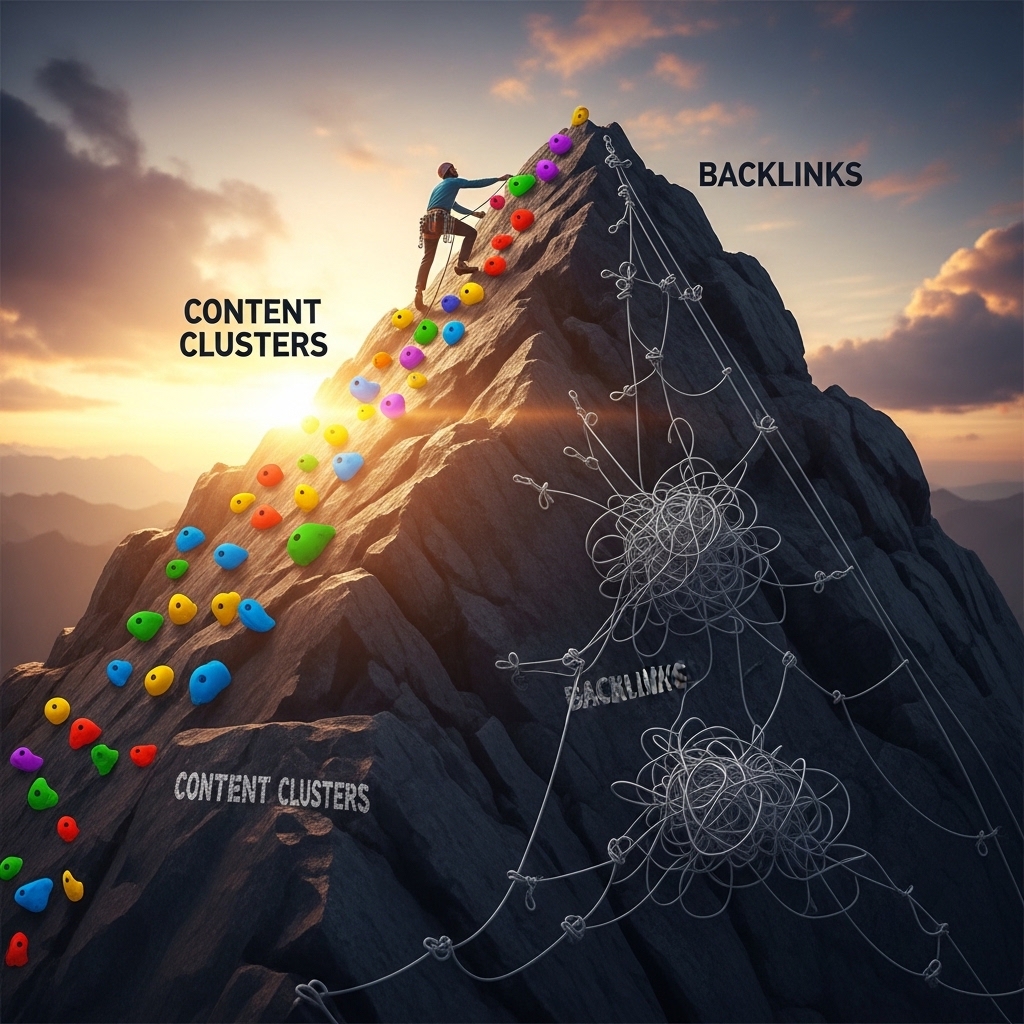
Unlock the Power of Content Clustering: Why It Boosts SEO Faster Than Backlinks
As an SEO master, I’ve witnessed countless strategies come and go, each promising to revolutionize the way we approach search engine optimization. But few have delivered the same level of impact as content clustering. In this post, we’ll dive into the world of content clustering, exploring why it’s the secret sauce that’s leaving backlinks in the dust.
The Evolution of SEO: From Backlinks to Content Clustering
For years, backlinks were the holy grail of SEO. Every blogger, marketer, and SEO expert was obsessed with building links to their website, convinced that it was the key to ranking higher in search engines. And while backlinks still play a crucial role in SEO, they’re no longer the only game in town.
In recent years, Google has made it clear that content quality and relevance are the new barometers of success. The search giant has introduced algorithms like Panda and Penguin, designed to punish low-quality content and reward well-crafted, user-friendly websites.
Enter content clustering, a strategy that’s been quietly gaining traction among SEO experts. By grouping related content together, we can create a powerful network of interconnected pages that scream “relevance” to search engines.
The Benefits of Content Clustering
So, why is content clustering the secret to faster SEO success? Here are just a few reasons why:
- Improved User Experience: When we group related content together, we create a seamless user experience that’s easy to navigate. This means higher engagement, lower bounce rates, and a better overall user experience.
- Increased Relevance: By creating a network of interconnected pages, we can signal to search engines that our content is highly relevant to a specific topic or keyword.
- Reduced Keyword Cannibalization: When we have multiple pages targeting the same keyword, we risk cannibalizing our own traffic. Content clustering helps us avoid this issue by grouping related content together.
- Faster Indexing: When we create a cluster of related content, search engines can quickly identify the relationships between pages and index them more efficiently.
- Identify Your Topics: Start by identifying the topics that are most relevant to your audience. Use tools like Google Keyword Planner or Ahrefs to identify keywords and topics that are driving traffic to your website.
- Group Related Content: Once you have your topics identified, group related content together. This might involve creating new pages or reorganizing existing content to create a cohesive network.
- Use Semantic Entities: Use semantic entities and LSI keywords to help search engines understand the relationships between your pages. This will help improve your topical authority and relevance.
- Monitor and Adjust: Finally, monitor your website’s performance and adjust your content clustering strategy as needed. Use tools like Google Analytics to track your progress and identify areas for improvement.
- Q: Is content clustering a replacement for backlinks?
- Q: How do I identify related content?
- Q: Is content clustering only for large websites?
- How to create attention-grabbing homepage hero sections: https://stackesystems.in/how-to-create-attention-grabbing-homepage-hero-sections/
- Why speed optimization directly increases revenue: https://stackesystems.in/why-speed-optimization-directly-increases-revenue/
- How to design smooth and intuitive user journeys: https://stackesystems.in/how-to-design-smooth-and-intuitive-user-journeys/
How to Implement Content Clustering
So, how do we put content clustering into practice? Here are a few tips to get you started:
Frequently Asked Questions
A: Not necessarily. While content clustering can be a powerful SEO strategy, it’s still important to build high-quality backlinks to your website.
A: Use tools like Google Keyword Planner or Ahrefs to identify keywords and topics that are driving traffic to your website. You can also use internal linking tools to identify related content on your own website.
A: No! Content clustering can be effective for websites of all sizes. Even small websites can benefit from grouping related content together to improve user experience and relevance.
Conclusion
Content clustering is the secret sauce that’s leaving backlinks in the dust. By grouping related content together, we can create a powerful network of interconnected pages that scream “relevance” to search engines. Whether you’re a seasoned SEO expert or just starting out, incorporating content clustering into your strategy can help you boost your SEO faster and more effectively than ever before.
Ready to Get Started?
Check out our latest blog post on how to create attention-grabbing homepage hero sections for tips on how to improve your website’s user experience. And don’t forget to explore our comprehensive guide on how to design smooth and intuitive user journeys for more insights on how to improve your website’s navigation.
Internal Links