Why PNG vs JPG Matters in Web Design: The Ultimate Guide for Indian Businesses As an Indian business owner, you understand the importance of having a visually appealing and user-friendly website. However, when it comes to choosing the right image format for your website, many of us are left scratching our heads. PNG vs JPG …

Why PNG vs JPG Matters in Web Design: The Ultimate Guide for Indian Businesses
As an Indian business owner, you understand the importance of having a visually appealing and user-friendly website. However, when it comes to choosing the right image format for your website, many of us are left scratching our heads. PNG vs JPG – which one is better? In this comprehensive guide, we’ll delve into the world of image formats and explore why PNG vs JPG matters in web design.
The Importance of Image Optimization
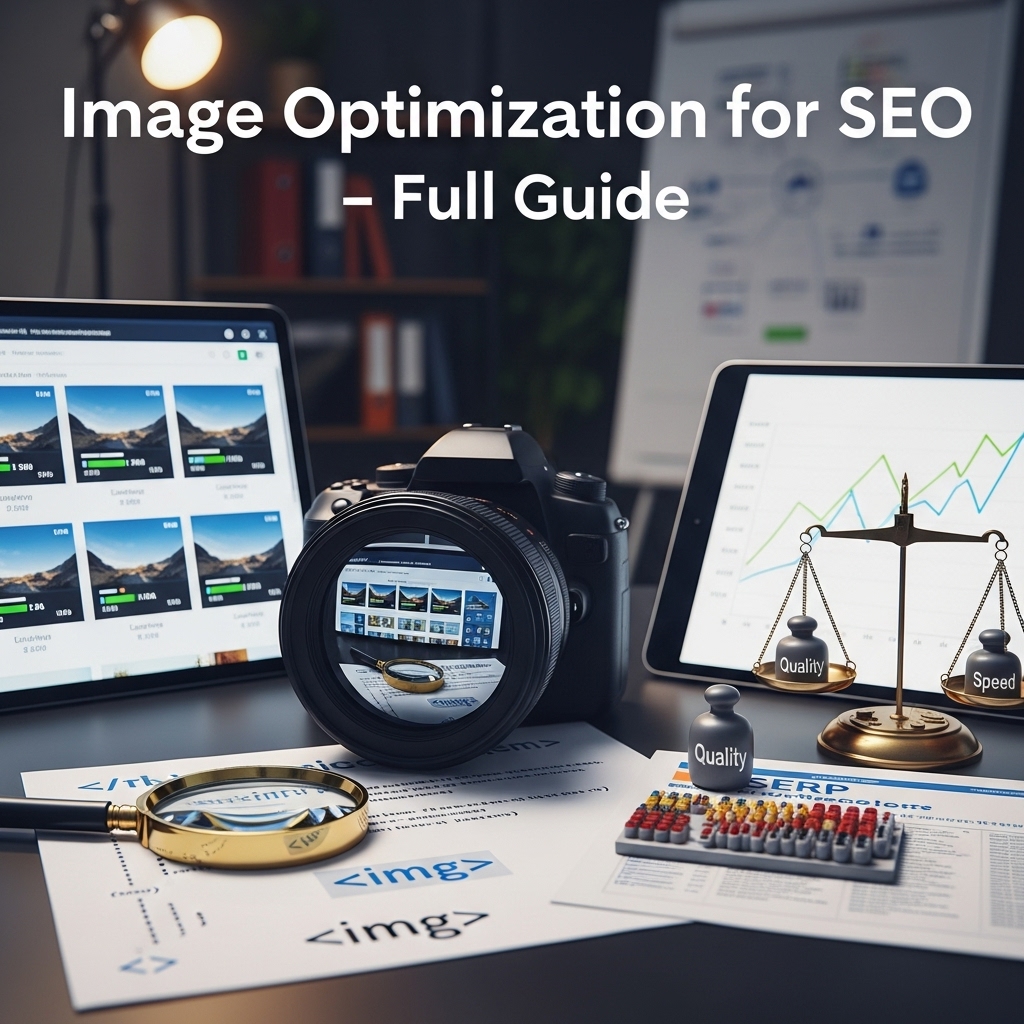
Before we dive into the world of PNG vs JPG, let’s talk about the importance of image optimization. Image optimization is the process of reducing the size of your images while maintaining their quality, making them faster to load and more accessible to users. As we all know, a slow-loading website can lead to a higher bounce rate, which can negatively impact your search engine rankings and ultimately, your business.
What is PNG?
PNG, or Portable Network Graphics, is a raster graphics format that was created in the 1990s as an alternative to GIF. PNGs are known for their transparency and ability to handle complex images with millions of colors. PNGs are often used for logos, icons, and graphics that require transparency.
What is JPG?
JPG, or Joint Photographic Experts Group, is a raster graphics format that is widely used for photographic images. JPGs are known for their ability to compress images, making them smaller in size and faster to load. JPGs are often used for images that require a high level of compression, such as photographs.
The Pros and Cons of PNG
Pros:
• Transparency: PNGs can handle transparency, making them perfect for logos and icons that require a transparent background.
• High-quality images: PNGs can handle complex images with millions of colors, making them perfect for graphics and illustrations.
• Lossless compression: PNGs use lossless compression, which means that the image quality is preserved even after compression.
Cons:
• Large file size: PNGs can be large in size, making them slower to load.
• Not ideal for photographic images: PNGs are not ideal for photographic images that require a high level of compression.
The Pros and Cons of JPG
Pros:
• Small file size: JPGs are smaller in size, making them faster to load.
• Ideal for photographic images: JPGs are ideal for photographic images that require a high level of compression.
• Wide compatibility: JPGs are widely supported by most web browsers and devices.
Cons:
• Lossy compression: JPGs use lossy compression, which means that the image quality is compromised during compression.
• Not ideal for transparent images: JPGs are not ideal for images that require transparency.
When to Use PNG and When to Use JPG
So, when should you use PNG and when should you use JPG? Here are some general guidelines:
• Use PNG for:
+ Logos and icons that require transparency
+ Graphics and illustrations that require high-quality images
+ Images that require lossless compression
• Use JPG for:
+ Photographic images that require a high level of compression
+ Images that require a small file size
+ Images that require wide compatibility
Optimizing Your Images for SEO
Now that we’ve discussed the pros and cons of PNG and JPG, let’s talk about optimizing your images for SEO. Here are some tips to help you optimize your images:
• Use descriptive file names: Use descriptive file names that include your target keywords.
• Use alt tags: Use alt tags to describe your images and provide context to search engines.
• Use descriptive meta descriptions: Use descriptive meta descriptions to provide context to search engines and users.
• Compress your images: Compress your images using tools like TinyPNG or ImageOptim to reduce their file size.
Frequently Asked Questions
Q: What is the difference between PNG and JPG?
A: The main difference between PNG and JPG is the way they handle compression. PNGs use lossless compression, while JPGs use lossy compression.
Q: Which format is better for images?
A: The choice between PNG and JPG depends on the type of image you are using. If you need high-quality images with transparency, PNG is the better choice. If you need photographic images with a high level of compression, JPG is the better choice.
Q: How can I optimize my images for SEO?
A: You can optimize your images for SEO by using descriptive file names, alt tags, and descriptive meta descriptions. You can also compress your images using tools like TinyPNG or ImageOptim to reduce their file size.
Conclusion
In conclusion, PNG vs JPG matters in web design because it can affect the quality and speed of your website. By understanding the pros and cons of each format, you can make informed decisions about which format to use for your images. Remember to optimize your images for SEO by using descriptive file names, alt tags, and descriptive meta descriptions. By following these tips, you can improve the user experience and search engine rankings of your website.
Get in Touch
If you have any questions or need help with image optimization for your website, feel free to get in touch with us at 9445210058 or [email protected]. We’d be happy to help you optimize your images for SEO and improve the user experience of your website.
Additional Resources
- Image Optimization for SEO – Full Guide: https://stackesystems.in/image-optimization-for-seo-full-guide/
- Best Free Website Themes for Indian Businesses: https://stackesystems.in/best-free-website-themes-for-indian-businesses/
About STACK E SYSTEMS
STACK E SYSTEMS is a leading web design and development company in India that provides customized solutions to businesses of all sizes. With a team of experienced professionals, we can help you create a visually appealing and user-friendly website that meets your business needs. Contact us today to learn more about our services and how we can help you grow your business.