Unlocking the Power of Organic Traffic vs. Paid Traffic: A Guide to Maximizing Your Online Presence As a business owner in today's digital landscape, you're likely familiar with the concept of traffic. Whether you're trying to drive more visitors to your website or attract customers to your physical storefront, understanding the difference between organic and …

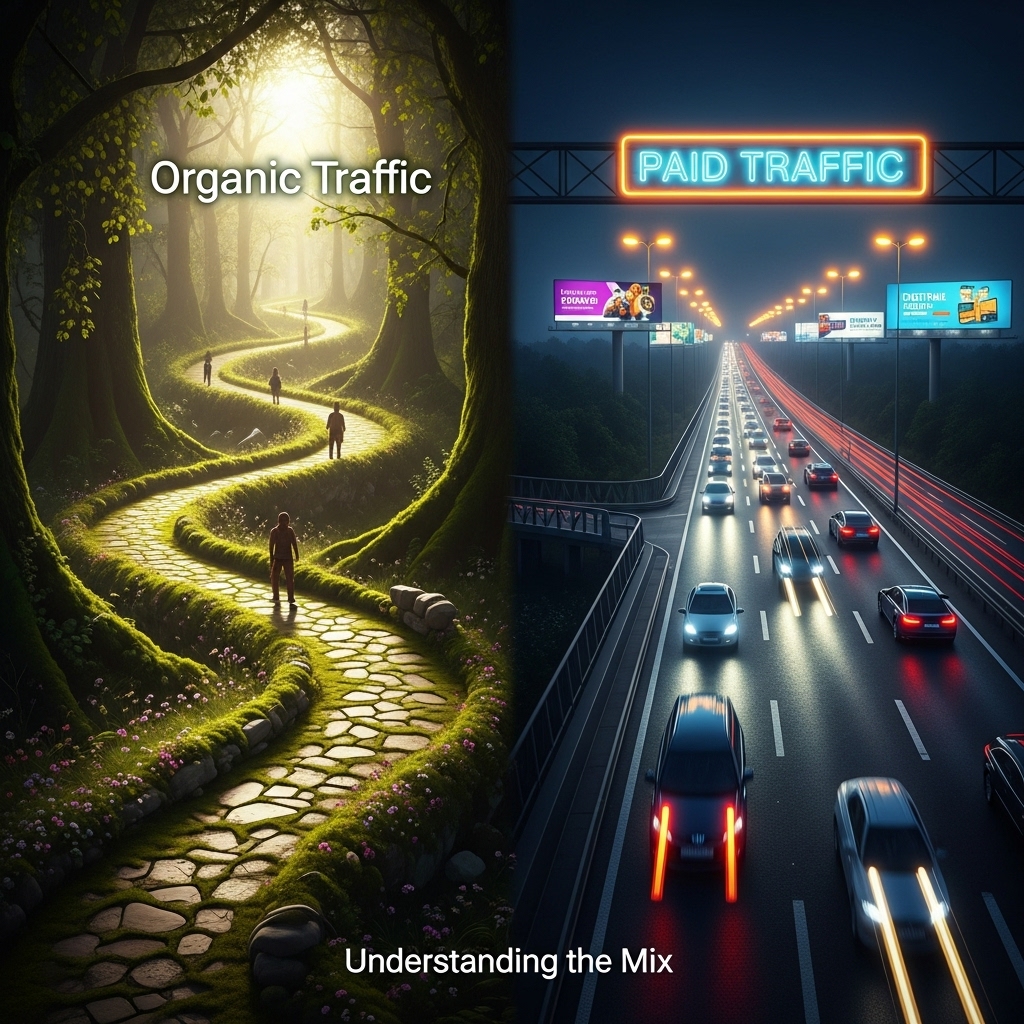
Unlocking the Power of Organic Traffic vs. Paid Traffic: A Guide to Maximizing Your Online Presence
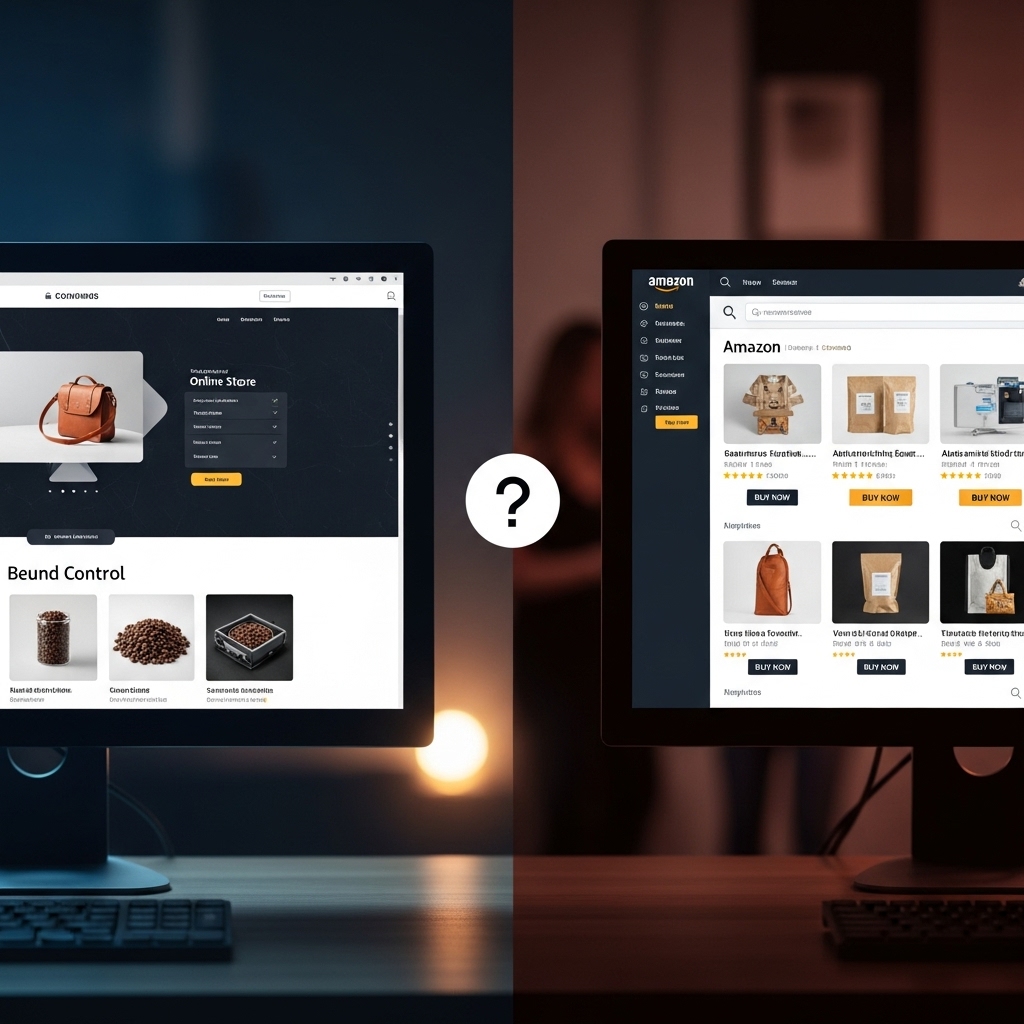
As a business owner in today’s digital landscape, you’re likely familiar with the concept of traffic. Whether you’re trying to drive more visitors to your website or attract customers to your physical storefront, understanding the difference between organic and paid traffic is crucial for success. In this article, we’ll delve into the world of organic traffic vs. paid traffic, exploring the benefits and drawbacks of each, and providing actionable tips on how to optimize your online marketing strategy.
The Power of Organic Traffic
Organic traffic refers to the traffic that your website receives from search engines, such as Google, Bing, and Yahoo, as a result of your website’s ranking for specific keywords and phrases. In other words, when users search for something online, and your website appears as one of the top results, that’s organic traffic.
Here are some benefits of focusing on organic traffic:
- Cost-effective: Unlike paid traffic, organic traffic doesn’t require you to pay for each visitor. This means you can save money and allocate your budget more effectively.
- Targeted audience: Organic traffic attracts users who are actively searching for the products or services you offer, making them more likely to convert.
- Long-term results: Once you’ve optimized your website for search engines, you can enjoy long-term traffic and visibility, even after your initial marketing efforts have ceased.
- Immediate results: Paid traffic allows you to drive traffic to your website quickly, giving you immediate results and visibility.
- Flexibility: With paid traffic, you can adjust your targeting, budget, and ad copy at any time to optimize your campaigns.
- Measurable ROI: Paid traffic provides clear metrics and analytics, making it easier to track your return on investment (ROI) and adjust your strategy accordingly.
- Start with SEO: Begin by optimizing your website for search engines, focusing on high-quality content, meta tags, and internal linking.
- Supplement with paid ads: Use paid traffic to drive targeted traffic to your website, especially for specific campaigns or promotions.
- Monitor and adjust: Keep a close eye on your analytics and adjust your strategy accordingly, shifting budget and resources between organic and paid traffic as needed.
- Single Page Application (SPA) vs. Multi-Page Website: https://stackesystems.in/single-page-application-spa-vs-multi-page-website/
- Android vs. iOS App Development: Where to Start?: https://stackesystems.in/android-vs-ios-app-development-where-to-start/
- In-House Marketing Team vs. Digital Agency: The Pros & Cons: https://stackesystems.in/in-house-marketing-team-vs-digital-agency-the-pros-cons/
The Benefits of Paid Traffic
Paid traffic, on the other hand, refers to the traffic that you purchase through various advertising platforms, such as Google AdWords, Facebook Ads, and LinkedIn Ads. With paid traffic, you can target specific demographics, interests, and behaviors to reach your desired audience.
Here are some benefits of using paid traffic:
The Mix: Balancing Organic and Paid Traffic
While both organic and paid traffic have their benefits, the key to success lies in striking a balance between the two. Here are some tips to help you optimize your online marketing strategy:
Frequently Asked Questions
1. What is the ideal ratio of organic to paid traffic?
There is no one-size-fits-all answer, as the ideal ratio depends on your industry, target audience, and marketing goals. However, a general rule of thumb is to aim for a 70/30 split, with 70% of your traffic coming from organic sources and 30% from paid ads.
2. How do I measure the effectiveness of my organic and paid traffic?
Use analytics tools, such as Google Analytics, to track your website traffic, conversion rates, and ROI. This will help you identify which channels are driving the most value and make data-driven decisions to optimize your strategy.
3. Can I use both organic and paid traffic together?
Yes, using both organic and paid traffic together can be a powerful strategy. By combining the benefits of targeted paid traffic with the long-term visibility of organic traffic, you can drive more traffic, increase conversions, and achieve your marketing goals.
Conclusion
In conclusion, understanding the difference between organic and paid traffic is crucial for any business looking to maximize their online presence. By optimizing your website for search engines, supplementing with paid ads, and monitoring your analytics, you can strike a balance between the two and drive more traffic, conversions, and revenue. Remember, the key to success lies in flexibility and adaptability, so be prepared to adjust your strategy as your audience and market evolve.
Get Started Today
Ready to unlock the power of organic and paid traffic? Contact us at STACK E SYSTEMS to learn more about our SEO and paid advertising services. Whether you’re looking to improve your website’s ranking or drive targeted traffic to your business, our team of experts is here to help. Call us today at 9445210058 or visit our website at stackesystems.in.
Internal Links:
By following the tips and strategies outlined in this article, you’ll be well on your way to maximizing your online presence and driving more traffic, conversions, and revenue for your business.